"Under the Skin: Looking at Historic Paints," a Lecture by Dr. Susan Buck
Other
5 East Edenton Street,Raleigh NC 27601
15 September, 2022
Description
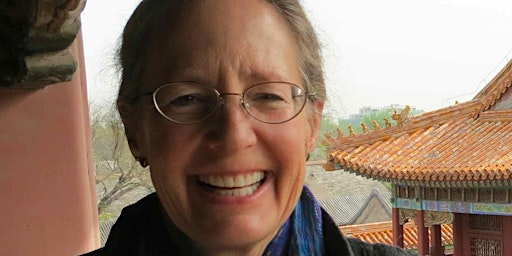
Under the Skin: Looking at Historic Paints under the Microscopeby Susan L. Buck, Ph.D., Conservator and Paint AnalystPlease join the Joel Lane Museum House and the North Carolina Museum of History Thursday, September 15, 2022, for a wine and light hors d'oeuvres reception at 6 o’clock, followed by Dr. Buck's presentation at 7 o’clock at the North Carolina Museum of History, 5 East Edenton Street, Raleigh, North Carolina 27601 The Museum Gift Shop will be open for this special evening event! Tickets: $50 Please call JLMH at 919-833-3431 or book here to reserve your ticket today, or to make a donation to support our work! *** Many of us look at historic buildings and wonder what they looked like when they were first built. Paint analysis can provide important insights into original colors and finishes, and sometimes into original configurations. Highly magnified images of tiny samples taken from architecture, art and decorative arts materials offer substantive information about original decorations, and how they might have discolored and degraded over time. Using paint archaeology these “cross-section” samples can also reveal how architecture and objects have been deliberately altered or accidentally compromised. There is so much more to learn about every possible form of art using reflected and transmitted light cross-section microscopy analysis techniques, and the brilliant images generated through the microscope can become their own form of art. This lecture will discuss how optical microscopy analysis has provided information about early exterior paints at the Joel Lane House, and about interior and exterior paints at other historic sites including Monticello, Mount Vernon, and the Owens-Thomas House in Savannah, Georgia. In 2019, Dr. Susan Buck completed an analysis of the exterior paint of the Joel Lane Museum House that revolutionized our understanding of the early appearance of the structure. The dramatic restoration of the original 1760s dark red color, completed in 2020, was informed by that study. While in Raleigh this September, Dr. Buck will gather samples from the interior of the House to discover the original colors inside. All proceeds from this event--tickets and donations--will support our efforts to put the findings of this new study to use and continue our work to share the history of this site. About Susan L. Buck, Ph. D., Conservator and Paint Analyst: Susan Buck completed M.S. in Art Conservation in 1991 from the Winterthur/University of Delaware Program in Art Conservation and her Ph.D. in Art Conservation Research in 2003. Her dissertation “The Aiken-Rhett House: A Comparative Architectural Paint Study” won the University of Delaware Wilbur Owen Sypherd Prize for the outstanding doctoral dissertation in the Humanities. Her private conservation work now includes art and architectural paint and finish analysis projects for institutions including Colonial Williamsburg Foundation, MESDA, The Chipstone Foundation, Historic Deerfield, Mount Vernon, Monticello, Montpelier, Stratford Hall, Historic Charleston Foundation, The Metropolitan Museum of Art, Drayton Hall and the World Monuments Fund Qianlong Garden Conservation Project in The Forbidden City in Beijing. About the Joel Lane Museum House: Now owned by the National Society of the Colonial Dames of America in the State of North Carolina, the Joel Lane House was built circa 1769 in what was then a very rural part of North Carolina. Joel Lane, a local politician, slaveholder, planter, landowner, and Patriot, is called “The Father of Raleigh” because he sold 1,000 acres of his land to the State in 1792, on which to build the new capital. Today, we make it our mission to bring American history to life by providing a rich understanding of regional North Carolina history and the life and times of those who lived here in the 18th century, with particular emphasis on the Lane family and the 43 enslaved people who lived and labored on this plantation. We accomplish this through dynamic storytelling and hands-on experiences, to share accurate history in a meaningful, personal way with visitors of all ages.
Discussion
By posting you agree to the Terms and Privacy Policy.