As Heat Wave Rolls, Worcester Beach Closed By Toxic Algae
News
Worcester MA
20 July, 2022
10:20 AM
Description
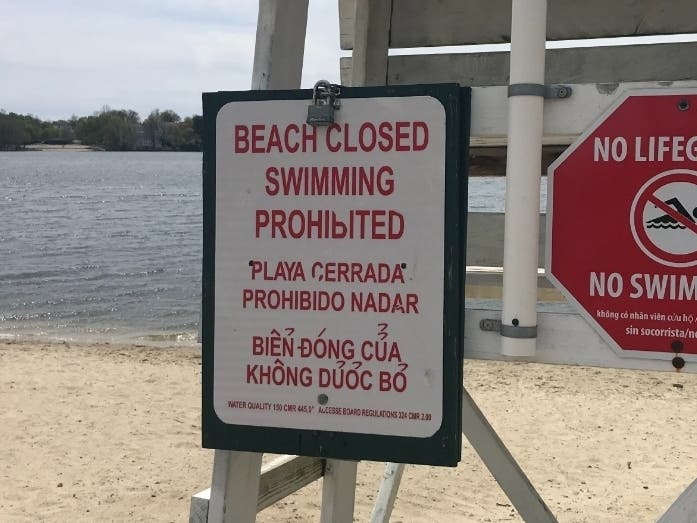
WORCESTER, MA — With the region under a heat advisory, Worcester has closed one of the city's main beaches due to the presence of toxic algae. City health officials warned residents to stay away from Coes Reservoir and Binienda Beach along Mill Street due to the presence of cyanobacteria scum, also called blue-green algae. "All persons should stay out of the water, discontinue boat use and fishing, and keep their pets out of the water until further notice. People and pets should avoid contact with scums," an advisory said Wednesday morning. The Coes Pond beach closure comes with several other swimming spots already unavailable. The Indian Lake Beach is closed due to a lifeguard shortage, and East Spray Park is closed because the facility has become dangerously slippery, city officials have said. City officials are pointing residents toward libraries and the senior center as places to turn in extreme heat. With the heat index, temperatures will feel close to 100 degrees in Worcester on Wednesday and Thursday, according to forecasts. Greenwood, Crompton and Vernon Hill parks all have splash pads, and beaches are still open at Bell Hill Park and along Lake Quinsigamond. There are also pools open at Bennett Park, Vernon Hill and Crompton Park. Earlier this year, At-Large Councilor Thu Nguyen urged the city manager to open more cooling centers — and heating centers in the winter — across Worcester. Nguyen said they were disappointed that nothing extra was being offered to residents during this week's heat wave. "In the winter folks die due to the freezing weather and in the summer heat stroke and exhaustion is life-threatening," they said. "Referring folks splash parks, the senior center the library is not enough." Worcester will continue to test Coes Pond for cyanobacteria, and will reopen water activities when the algae population declines. Blue-green algae typically bloom during warm weather and when there are high levels of phosphates in the water. The pea-soup looking blooms can irritate the skin, and can do internal damage to humans and pets if inhaled or swallowed. In rare cases, cyanobacteria can cause organ failure and death.
Discussion
By posting you agree to the Terms and Privacy Policy.