The Practitioner as a Person in Counseling Art Therapy with NBCC credits
Other
120 Bloomfield Avenue,Caldwell NJ 07006
02 October, 2022
Description
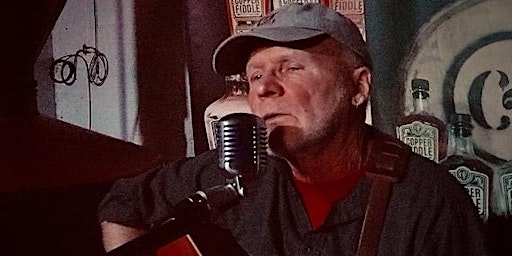
Art Therapy Counseling Conference The Practitioner as a Person in Counseling Art Therapy Hosting NJ Art Therapy Association Annual Meeting Art Therapy Counseling Conference 4 NBCC CE credits (4 clock hours) Conference Chairperson: Dr. Annette Vaccaro Practitioner as Person: Notes from the Studio8:30 - 10 Registration9-10am NJATA Annual Membership Meeting Dr. Bruce Moon, Keynote This presentation includes a performance of original music and spoken word recounting images and interactions among clients, counselor, and art therapist. The clinical stories are wrapped in compassion, humor, and love, and are intended to rekindle the fire and joy of being a practitioner. Through performance art, underlying themes related to responsive art making, clinical practice, and the role of self-care are also addressed.Objectives: Attendees will be able to (1) Identify how compassion and humor are valuable professional dispositions. (2) Examine at least two parallels between clinical practice and performance art. (3) Describe two ways that professionals can participate in personal self-care. Bruce L. Moon, Ph.D., ATR-BC, HLM is Professor Emeritus of art therapy at Mount Mary University. He is the author of Ethical Issues in Art Therapy; Art-Based Group Therapy; Existential Art Therapy: The Canvas Mirror, and ten other books. He is an active painter, poet, and singer-songwriter. Caldwell University has been approved by NBCC as an Approved Continuing Education Provider, ACEP No. 4598. CE Programs that do not qualify for NBCC credit are clearly identified. Caldwell University is solely responsible for all aspects of the programs. AFTERNOON PLENARIESDr. Traci Bitondo - Developing Professional Dispositions Using Art making during TrainingThis presentation explores the presenter’s research results theorizing the role of art making as an experiential learning tool in developing professional dispositions and fostering personal growth for counseling art therapy students. Participants will learn about the art making process in training, which allows for self-expression and exploration, assisting in the learning process. Engaging in art making during training can increase one’s self-awareness, reflexivity, empathy, ability to regulate emotions, critical thinking skills, confidence, interpersonal skills, risk-taking abilities, and an overall appreciation for learning. This growth and development are all possible due to the role the professor and peers have in establishing a safe and secure learning environment. While participants will learn more about the role art making has on development, they will participate in an experiential activity to help increase their understanding of both the topic and their own personal qualities and characteristics needed to be effective clinicians.Learning Objectives 1) Participants will be able to identify techniques and strategies for how to integrate art making into training to develop professional dispositions. 2) Participants will be able to recognize characteristics of counselor professional dispositions necessary for efficacy for work with clients. 3) Participants will be able to describe how the process of art making is integrated into the classroom. Dr. Thomson Ling and Ms. Jessica Hauck - Navigating Ethical Dilemmas in Creative Arts Therapies: A Case-Based ApproachWhile art therapy provides a unique treatment approach, it also creates challenges in ethical practice. This presentation provides practical guidance for practitioners on the skillful application of ethical decision-making in art therapy. The presentation will review the DO ART model, an ethical-decision making model specific to the practice of art therapy as well as how art making can be used to navigate the model. Art therapists have written extensively about using art during the supervision process, practicing art to self-reflect on their therapeutic abilities, and using art as a learning tool to gain insight and deepen the therapeutic relationship. Attendees will learn about common areas of ethical dilemmas, how to tackle them, and learn art directives that may assist art therapists in more effective decision-making that better honors the traditions and pillars valued by the field.Learning Objectives: Objective 1: Participants will be able to name the necessary steps for good ethical Art Therapy decision-making. Objective 2: Participants will be able to explain art therapy directives utilized in arguing for and against various courses of action in art therapy ethical dilemmas. Objective 3: Attendees will apply the art directive enhanced ethical decision-making model to a real-life art therapy scenario and analyze an ethical course of action Dr. Natashia Collins - The Meaning of Role StrainBalancing multiple roles can lead to role strain, including role confusion, role conflict, role overload, and role contagion. In therapeutic practice, professional roles may include counselor (or art therapist, social worker, psychoanalyst, psychologist), educator, supervisor, leader, advocate, researcher, and scholar. In graduate therapeutic training programs, additional roles of student and intern increase individuals’ role identities. These professional and academic roles compound family domain roles, gender roles, and other social roles. This presentation explores Goode’s (1960) theory of role strain as applied to the therapist as a person and professional. Photographs provided by research participants in an interpretive phenomenological and photovoice role strain study enhance one’s understanding of role strain and encourage a discussion on ways to minimize role-strain burden and increase role-strain enrichment.Learning Objectives: (1) Participants will explore Goode’s (1960) theory of role strain as related to the therapist as a person and professional. (2) Participants will identify and differentiate varying components of role strain, including role confusion, role conflict, and role overload. (3) Participants will discover ways to minimize role-strain burden and increase role-strain enrichment. 3-5PM ActivitiesSongs, Storytelling and Performance with Bruce MoonGallery TalkWalking Labyrinth Response Art GalleryBiosDr. Annette Vaccaro, Conference Chair Ed.D, LPC, LPAT, SCP, LCSW, ATR-BC, ACS, ATCS is Associate Professor in Clinical Mental Health Counseling where she coordinates an art therapy specialization (https://www.caldwell.edu/programs/counseling-psychology-mental-health-and-art-therapy/). She maintains a general private practice in Livingston where she specializes in clinical supervision. [email protected]. She is a director at ACAP (www.acapnj.org)Dr. Traci Bitondo Ph.D., LPC, LPAT, ATR-BC, ACS, ATCS. in Counselor Education and Supervision with a concentration in Leadership from the University of the Cumberlands. She owns a private practice where she practices as a counselor and an art therapist treating clients and providing clinical supervision and consultations. She has been Adjunct Faculty at Caldwell since 2018, where she recognized her research interests in counseling and art therapy student growth and training, integrating artmaking into teaching, and professional development. Dr. Natashia Collins Ph.D., LPC, LPAT, ATR-BC, ACS, ATCS, NCC. Bio: Natashia is a counselor, art therapist, educator, and clinical supervisor. She received her Ph.D. in Counselor Education and Supervision with a specialization in Leadership from The University of the Cumberlands. Natashia has a private practice in Caldwell, New Jersey where she specializes in working with women who are transitioning from young adulthood into adulthood; a developmentally momentous time fraught with pressure to fulfill multiple life roles. Through a total health lens (mind, body, spirit), Natashia assists clients and supervisees with achieving their wellness, education, and career goals. Jessica Hauck MA, is a mental health counselor with specialization in art therapy, providing clinical services at a small community non-profit agency. She works with children, adults, families, and groups using a variety of interventions, and implements both psychotherapy and art therapy, according to individualized client needs. Jessica typically uses a person-centered and solution-focused approach in her work, and believes in the importance of an authentic therapeutic relationship based on acceptance and empathy. Jessica is also involved in the clinical training process of interns and students on field placement. Additionally, Jessica has also been an adjunct professor for undergraduate psychology students for over 4 years, and has experience as a clinical coordinator. Jessica has been involved in research related to ethics in the field for over 7 years, and is the author of 7 peer-reviewed publications, and 7 conference presentations, most of which relate to the field of ethics. She is also the co-editor for Navigating Ethical Dilemmas in Creative Arts Therapies: A Case-Based Approach, which presents an art therapy specific ethical decision making model that can be easily used by both practitioners and students. Dr. Thomson J. Ling PhD is a Professor of Psychology and Counseling at Caldwell University in NJ. He received his PhD in Counseling Psychology from the University of Maryland in 2009 and completed his clinical internship at Virginia Polytechnic Institute’s counseling center from 2008-2009. Dr. Ling is the author of over a dozen peer reviewed publications and over 25 referred conference presentations. Dr. Ling has over 15 years of experience in higher education and at Caldwell University, Dr. Ling advanced from Assistant to tenured Full professor in a record seven years. He has been teaching a course on legal and ethical issues in counseling for over 10 years and runs the Caldwell HelpLine, a crisis counseling and referral hotline serving northern New Jersey and the National Suicide Prevention Lifeline. His co-edited book Navigating Ethical Dilemmas in Creative Arts Therapies: A Case-Based Approach explains ethical decision-making in an easy to grasp manner for art therapists. Dr. Bruce Moon Ph.D., ATR-BC, HLM is Professor Emeritus of art therapy at Mount Mary University. He is the author of Ethical Issues in Art Therapy; Art-Based Group Therapy; Existential Art Therapy: The Canvas Mirror, and ten other books. He is an active painter, poet, and singer-songwriter.
Discussion
By posting you agree to the Terms and Privacy Policy.