Ileostomy
Classifieds
Athens GA
30 September, 2020
1:51 PM
Description
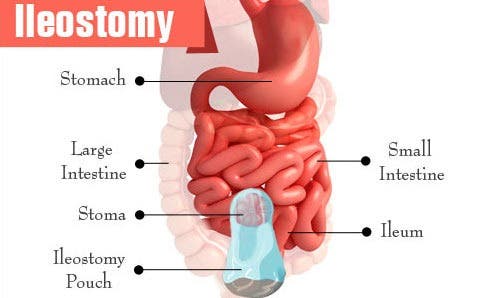
The ostomy is the surgical process that changes the way a human body excretes the waste (feces and urine). It happens to eliminate disease or injury in the digestive system. The digestive canals consist of the stomach, small intestines, and large intestines. Every section in the digestive system, including small and large intestines and bladder, can change the path of discharge after the ostomy. For large intestines (colon and rectum), the operation is called a colostomy. To treat an injury, infection, or blockage in the small intestine (ileum), the surgery is called an ileostomy. However, to cure the kidneys and bladder related diseases, the operation is called a urostomy. In an ileostomy, doctors remove the entire colon, a part of the infected colon, or the diseased section of the ileum or small intestine. After the removal of the large intestine, the waste (feces) could not reach the anus. Thus, the stool has to come out from the ileum section. So, during the operation, surgeons create an artificial opening in the belly wall of the patient. It works as a replacement for the anus. As the solid waste cannot pass to the colon and anus, it comes out from the belly opening, called a stoma. During the procedure, doctors remove the blockages, infections, and diseases, they bring the end of the ileum to the abdominal wall. Thus, the waste does not go through the process of the colon or large intestine. It leaves the body after reaching the ileum through the stoma. Discharge of the Ileostomy As the waste of the body does not attend the process of the colon and large intestine, it only goes through the operations of the small intestine; therefore, the feces is not in solid form. The waste material that comes out in the ileostomy is usually semi-formed or semi-liquid. However, a patient is suggested to wear a drainable pouching system. As the bowel movement in the ileostomy is unpredictable and can be frequent. An ileostomy person discharges the semi-liquid stool more than three times a day. Thus, drainable bags are convenient and comfortable. A patient can empty the ostomy pouch after every bowel movement; moreover, when he/she feels that the sack is half-full. Many patients do not understand the fullness or heaviness of the pouches; moreover, they do not feel the discharge or bowel movement, in this case, a patient must visit the washroom after every two or three hours (relying on the regular movement of bowel and discharge), and drain the bag. Managing Ileostomy Pouching System and Stoma at Home The stoma appears as the result of ileostomy is dark pink, red, soft, moist, and shiny. Moreover, the stool could be in the form of a thick liquid or thin liquid. It can never come in solid feces form. The texture of the stool (thin liquid or thick liquid) depends on what you eat, what are reactions of your medicines, and your physical activities. Moreover, it can release some amount of intestinal gas and odor. To get rid of the gastric small, you will have to drain the ostomy bag at least five times a day. Moreover, try not to eat foods that can cause gas and smell in the pouching system, including onion, garlic, broccoli, red beans, and cereals. Moreover, avoid items that can create a problem for the stomach during digestion. Some foods are hard to digest; thus, they can cause stoma blockage, including red meat, pizzas, burgers, buns, cookies, bread, and dry fruits. Furthermore, an ileostomy patient takes care of the leakage problem. The foremost thing is to drain the ostomy bag five to six times every day. Use skin barriers and pastes to stop the leakage. Make sure the peristomal skin is always dry. Use medicated wipes or soft towels to wipe and dry the skin around the stoma. Use a drainable pouching system for ileostomy stoma. Check out more here: https://medlineplus.gov/ency/p...
Discussion
By posting you agree to the Terms and Privacy Policy.