Recovering Accident Damages When You Weren't Wearing a Seatbelt
Classifieds
Pensacola FL
16 September, 2020
4:17 PM
Description
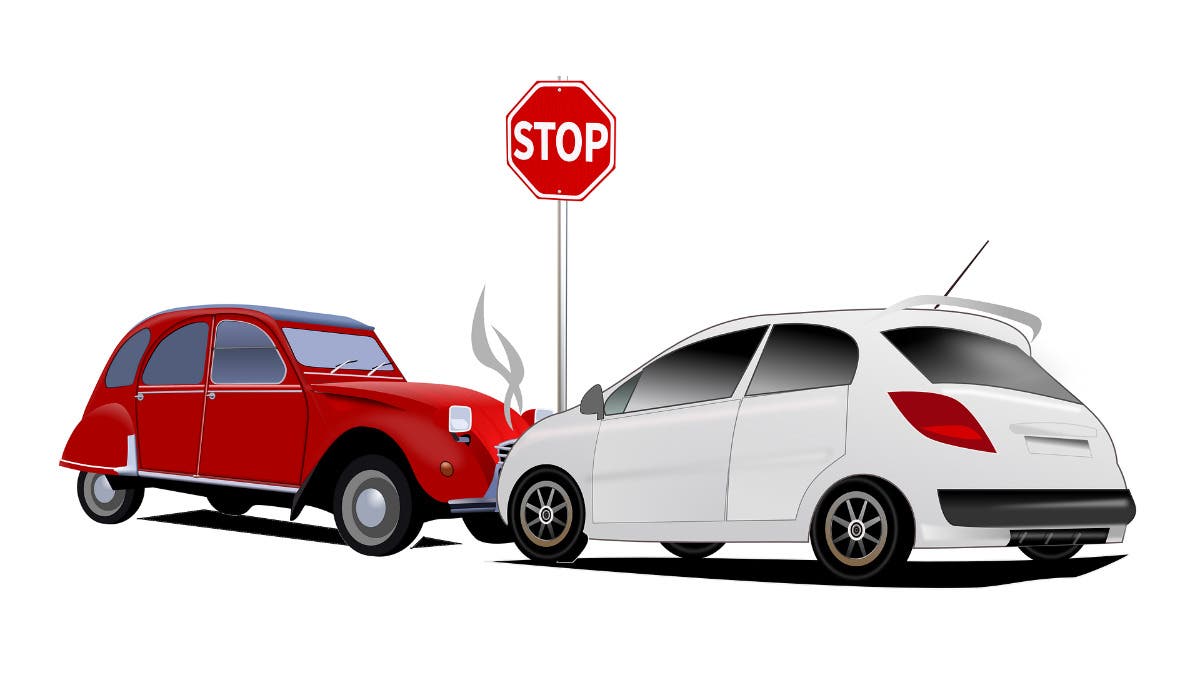
Can you recover damages in a Florida car accident if you weren’t wearing a seatbelt? If you were injured in a car accident but weren’t exactly “without fault” yourself (i.e., you were negligent by failing to wear a seatbelt), then you may be wondering whether you are entitled to bring a suit for damages against the defendant. Florida law is — fortunately — rather protective of the plaintiff’s rights in that it does not necessarily preclude recovery under these circumstances. That being said, there are limitations that could pose a problem, so it’s worth understanding the basics for a clearer picture of how your fault contribution could impact damage recovery. Let’s take a closer look. Pure Comparative Fault in Florida Florida implements the doctrine of pure comparative fault. In essence, this means that an injured plaintiff may recover damages, but only insofar as it is proportionate to their contribution of fault. For example, suppose that you are injured in a car accident in which your vehicle was slammed by a speeding driver. The judge evaluates the facts and determines that, because you weren’t wearing your seatbelt, you were more severely injured. The judge concludes that you are 30 percent liable for your injuries, while the defendant-driver is 70 percent liable. If the total damages equal $100,000, then you would be entitled to recover up to $70,000. Pure comparative fault does not prevent recovery, even if you are 99 percent at-fault for your own injuries. How “Causation” Impacts Fault Though pure comparative fault simply reduces the potential damages, that can still have a significant impact on your ability to secure a full and adequate recovery. As such, it’s strategically beneficial to show the court that your “fault contribution” was not actually linked to the injuries at-issue. How might this work? Suppose that you are injured in a straightforward two-vehicle collision. Both you and the defendant were speeding, and so you were technically acting in a negligent manner at the time of the accident. However, a reconstruction of the accident demonstrates that your speeding did not actually contribute to the accident — the accident would have occurred regardless of whether you were speeding, as the defendant-driver ran a red light and slammed into the side of your vehicle. Given these facts, your “fault” is not actually causally linked to the damages suffered, and so the recoverable damages amount would not be affected. In many cases, the argument over causation is a critical one, as the defendant’s own fault may be obvious — instead, they may be focused on reducing their damages liability by implicating you (the plaintiff) in various ways, asserting that you were highly negligent and contributed significantly to your own injuries. If you’ve been harmed in a car accident, it’s important that you get in touch with a qualified personal injury attorney for guidance on how to proceed. Your attorney will evaluate the underlying claims and help you navigate the litigation process.
Discussion
By posting you agree to the Terms and Privacy Policy.