Eta Aquariid Meteor Shower Peak: When To Look Up In SoCal
News
Los Angeles CA
01 May, 2022
5:21 PM
Description
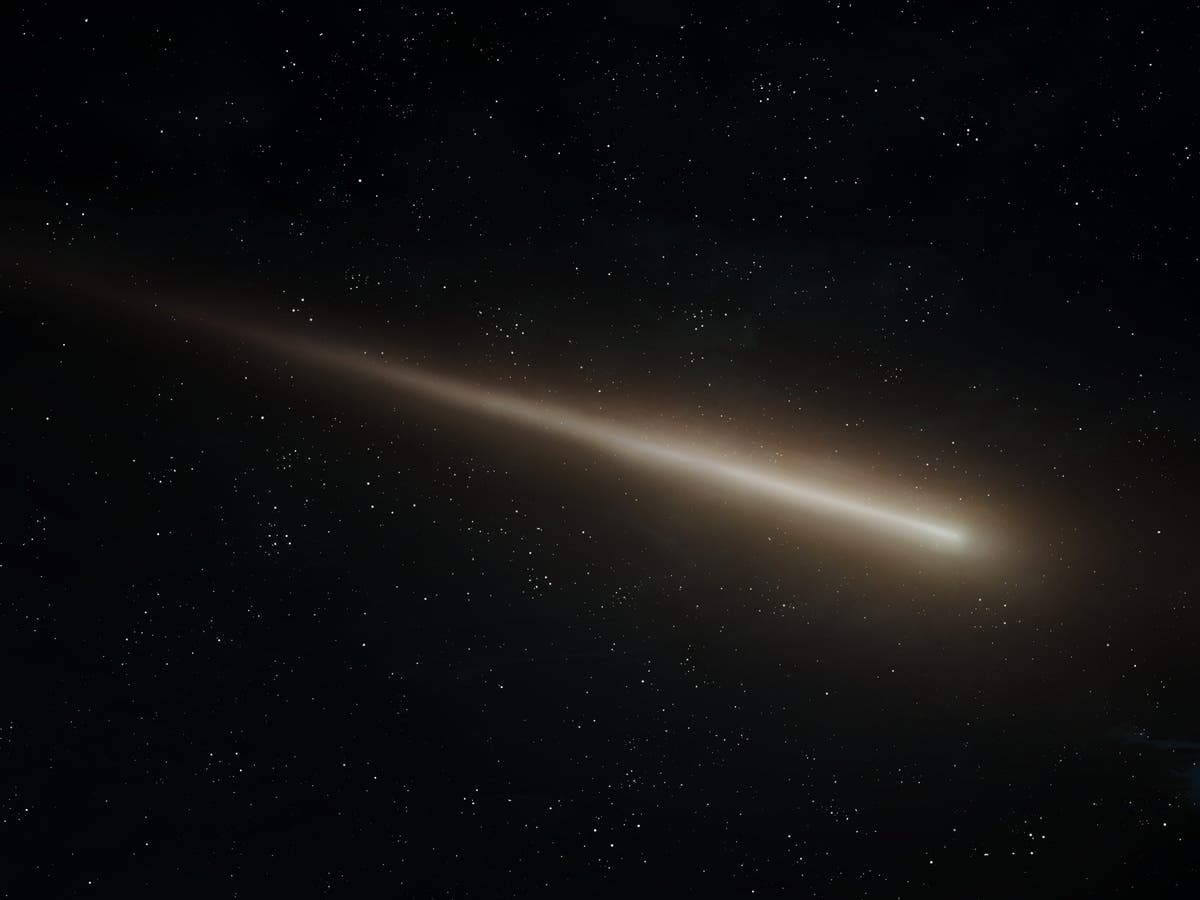
LOS ANGELES, CA — Southlanders, there's another shooting star show on the horizon this week to look forward to. The Eta Aquariid meteor shower isn't the showiest star show of the year, but there are still plenty of good reasons for people in California to start scanning the sky. It's going on now and peaks later this week. The National Weather Service's seven-day forecast calls for mostly sunny weather in Southern California with some partial cloud cover in some areas. The shower peaks overnight Wednesday, Thursday and Friday, May 4-6. The Eta Aquariids continue through May 27. As with most meteor showers, the best Eta Aquariids viewing times are in the predawn hours around the peak. Sometimes spelled "Aquarids" with a single "i," the shooting star show has a broad peak, meaning skywatchers may see meteors a couple of days before and after the peak, according to EarthSky.org. For the best chances to see shooting stars, find a dark sky free of city lights. Some good spots to stargaze in Southern California are: Death Valley, CA.Joshua Tree National Park, CA. Borego Springs, CA.Anza-Borego Desert, CA.Julian, CA.Angeles National Forest, CACrescent Bay, Laguna Beach, CA At the peak, expect to see 10 or 30 shooting stars an hour. If skies are clear, viewing conditions will be much better than for April's Lyrid meteor shower, which played second fiddle to a bright moon. This year, a waxing crescent moon setting during the evening will make for moonless predawn skies. Related: 2022 Guide To Meteor Showers, Supermoons, Eclipses The American Meteor Society notes that the Eta Aquariids are "swift meteors that produce a high percentage of persistent trains, but few fireballs." The long-running shower favors the Southern Hemisphere, where it reliably produces about 60 shooting stars an hour. People living in the southern United States will get the best show, with 10 to 30 meteors an hour; anyone living along the U.S.-Canadian border may see only a smattering of shooting stars. If that's not reason enough to get up early (or stay up super late) and head out to a dark sky, there's this: The Eta Aquariids are the last chance to look for meteors until the Delta Aquariid meteor shower in late July. It runs for more than a month and intersects with the summertime favorite, the Perseids. The flash of light known as a meteor occurs when meteoroids — "space rocks" ranging in size from a dust grain to a small asteroid — enter the Earth's atmosphere, or that of another planet, at a high speed and burn up. Meteors fly on any given night, according to NASA, but when several are seen in a short period, it's called a meteor shower. Meteor showers occur annually or at regular intervals when Earth passes through the dusty debris trails left by a comet and, in a few cases, asteroids. Halley's Comet, which visits our solar system every 75 years or so, is the parent of both the Eta Aquariid meteor shower and the Orionid meteor shower in October. That's because the comet is in a retrograde orbit around the sun — that is, in the opposite direction of Earth and other planets — so Earth passes near its path twice. The Eta Aquariids appear to radiate from the constellation Aquarius the Water Bearer, the 10th largest in the sky but still difficult to find with the naked eye because none of its stars are especially bright. The brightest one, Sadalsuud, or beta Aquarii, is a rare yellow supergiant with a mass almost five times that of the sun. It's relatively young for a star at 110 million years, and is about 600 light-years away. Don't get hung up on trying to find the constellation, though. Meteors can come from any direction. Dress warmly, fill a Thermos with coffee or some other warm beverage, and take a reclining lawn chair and blankets to your dark sky location. Give your eyes at least 15 minutes to adjust to the darkness, then sit back and enjoy.
Discussion
By posting you agree to the Terms and Privacy Policy.