Maine Resident Dies From Tick-Borne Powassan Virus
News
Augusta ME
20 April, 2022
2:20 PM
Description
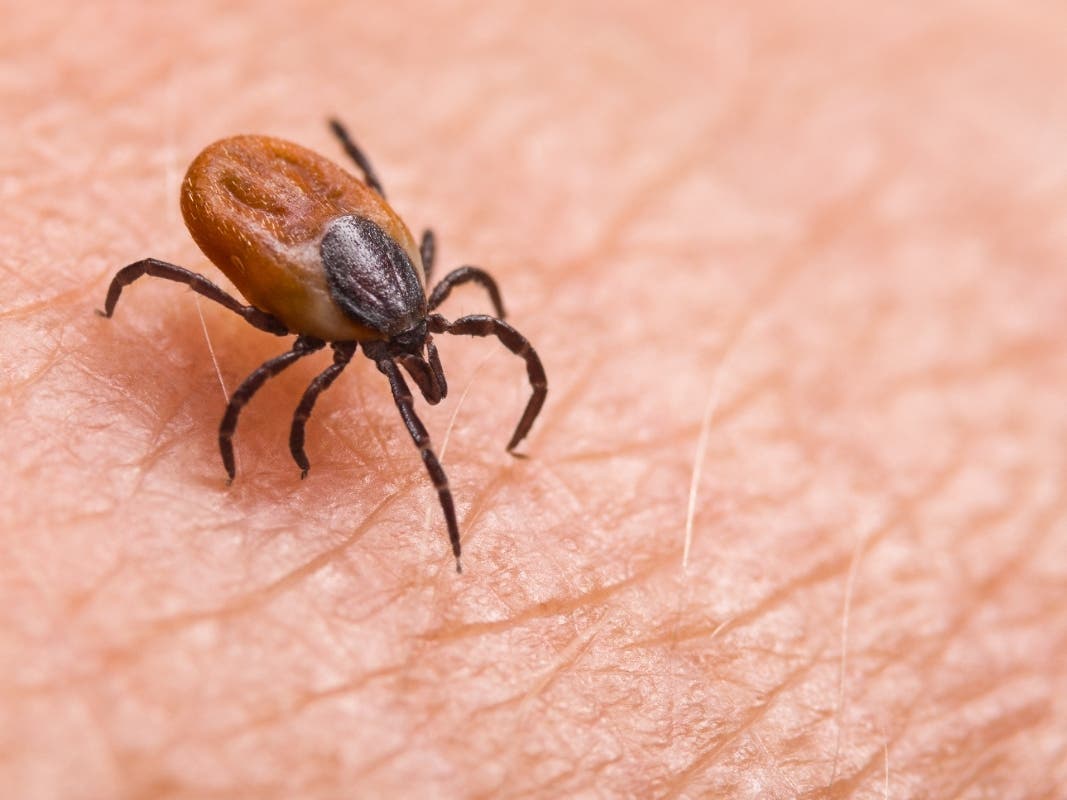
AUGUSTA, ME — A Waldo County resident is dead after being infected by the Powassan virus, an illness passed to humans through the bite of an infected deer tick or woodchuck tick. The Maine Center for Disease Control and Prevention confirmed the death Wednesday. The adult victim developed neurologic symptoms and died while in the hospital, officials said. The person was likely infected in Maine. Cases of Powassan are rare in the United States — about 25 cases have been reported annually since 2015. Since 2010, 14 cases have been identified in Maine, according to the Maine CDC. Symptoms of Powassan infection usually start one week to one month after a tick bite. People who get sick may have fever, headache, vomiting, weakness, confusion, seizures or memory loss. Some may experience serious neurologic problems, such as brain or spinal cord inflammation. Severe infection may result in death, according to the Maine CDC; however, many people infected with Powassan do not get sick. There is no specific treatment available for Powassan. If someone experiences any symptoms, they should call a health care provider as soon as possible. The Maine CDC encourages residents to use the following strategies to avoid tick bites: Know where ticks live — wooded and bushy areas with tall grass — and use caution in those areas.Stay in the middle of trails whenever possible.Use an EPA-approved repellent on the skin. Use permethrin on clothing for added protection.Perform tick checks every day, especially after leaving a tick habitat and after returning home. Bathe or shower after coming inside to wash crawling ticks off your body. Be sure to examine clothing, gear and pets.Ask a veterinarian about tick bite prevention for cats and dogs. Learn more about tick-borne illnesses.
Discussion
By posting you agree to the Terms and Privacy Policy.