UPMC Physician: Allergies Or Something More?
News
Harrisburg PA
07 April, 2022
3:16 PM
Description
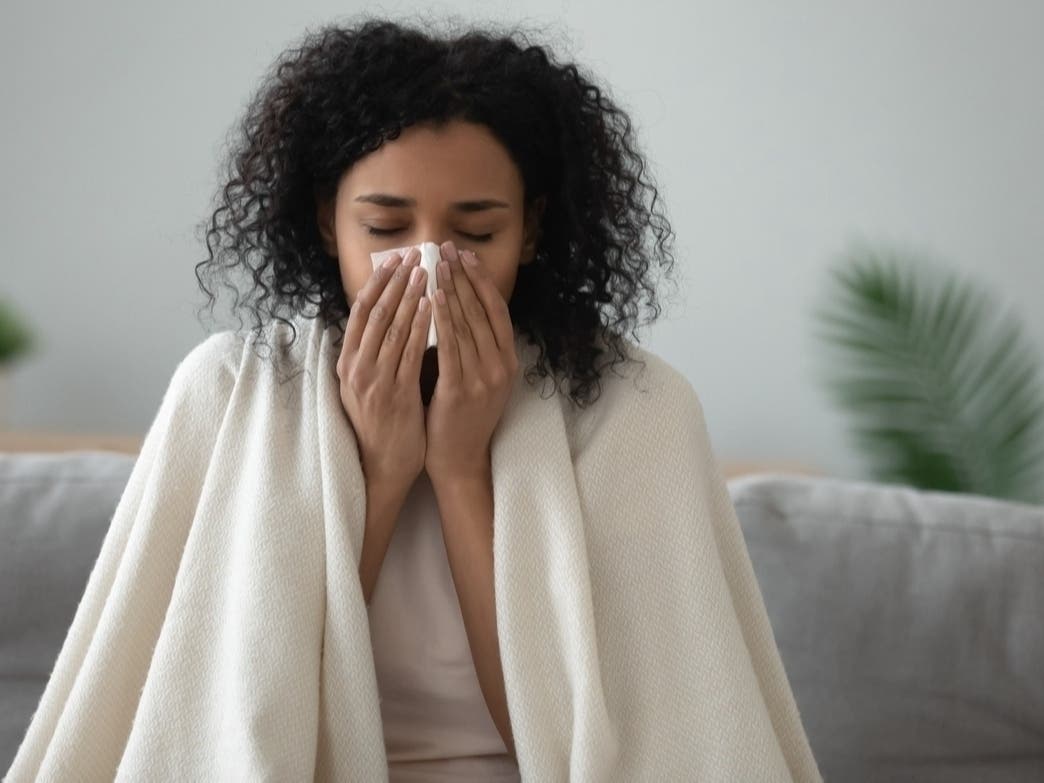
NorthCentralPA.com April 7, 2022 It's been a few weeks since the official start of spring. You may have noticed warmer weather, sprouting plants, and an unfortunate side effect: dreaded allergy symptoms. About 60 million Americans suffer from seasonal allergies every year, according to the Centers for Disease Control and Prevention (CDC). Allergy symptoms are a reaction to foreign substances, such as pollen or dust mites, that your body may encounter. In an attempt to fight these foreign substances, your body releases chemicals that cause reactions which can result in: Cough from postnasal drip Nasal congestion or runny nose Throat clearing Itchy and watery eyes Sneezing Scratchy or sore throat Asthma symptoms (Shortness of breath, wheezing, cough, chest tightness) Cold, COVID-19, or Allergies? People often confuse allergies for a spring cold, which isn't surprising as the symptoms can be very similar. Allergy symptoms usually come on suddenly and last longer than a cold. Other differences between allergies and a cold include: Allergies do not cause a fever Allergies are not contagious Itchy, watery eyes are more common with allergies If you think something more serious than allergies or a cold is occurring, you should rule out COVID-19. Yes, COVID-19 cases are lessening, but the virus is still a threat to the health of our communities. It is important to know how to distinguish COVID-19 from allergies or the common cold. With COVID-19, you might experience new loss of smell or taste, muscle aches, tiredness, troubled breathing, nausea, vomiting, or diarrhea. These are all symptoms that are not likely from allergies or a cold. If you think that you may have COVID-19, it is important to isolate immediately and to contact your health care provider. Treating Symptoms for Allergies The first step is to avoid the things you are allergic to and try over-the-counter antihistamines. If that doesn't work, your doctor may recommend one or more of the following options: Prescription antihistamines — Most antihistamines are now over the counter, but some are still only available by prescription. Nasal sprays — Medications that reduce the swelling in your nose, which cause a stuffy, runny, and itchy nose. Inhalers — Medications inhaled into the lungs that open your airways. Inhalers can include daily use or rescue inhalers used for immediate symptom relief. Allergy injections or immunotherapy — A series of injections to desensitize your immune system to the allergens which trigger your symptoms. The goal of the treatment is to retrain the immune system to recognize the allergen as not dangerous, decreasing the frequency or severity of allergy symptoms. Allergies can be unpleasant, but your doctor can help you determine what is triggering your allergies and develop a treatment plan that works for you. If you have allergy-like symptoms that last more than ten days, it's time to make an appointment with your health care provider. NorthcentralPa.com provides the region with reliable, relevant, and real-time news, covering weather, community news and events, crime, police activity, local, regional, and national alerts, and PennDOT-reported road construction and conditions. We report on local and regional politics, offer a platform for nonprofits to report their news and events, and share obituaries. Scanner reports let readers know what's happening outside their homes the minute it happens.
Discussion
By posting you agree to the Terms and Privacy Policy.