Fort Worth Leaders Discuss Systemic Racism In First 'Candid Conversations' Event
News
Arlington TX
09 March, 2022
7:13 PM
Description
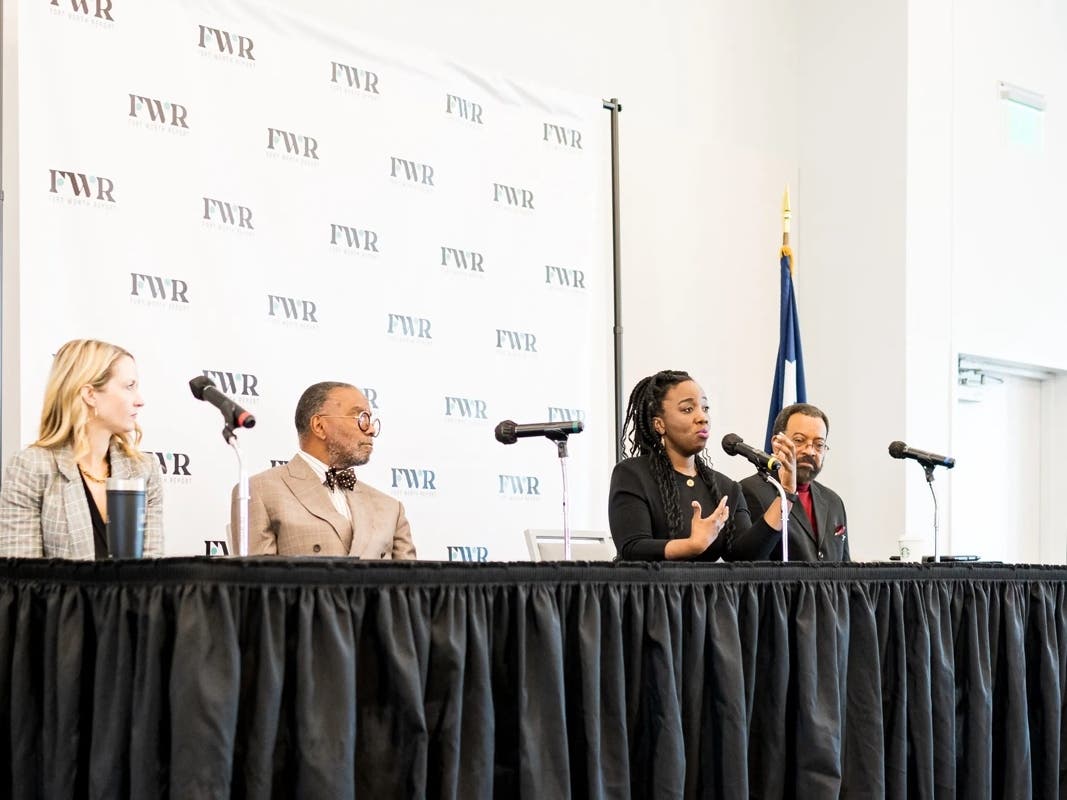
By Rachel Behrndt, Fort Worth Report March 9, 2022 Less than a lifetime ago, Fort Worth's Forest Park Pool was open to Black residents on only one day a year — Juneteenth. Fort Worth leader Estrus Tucker, 67, remembers when he was in second grade being one of the children who enjoyed the annual pool day. After Juneteenth, the city drained the pool's water and filled it again for the white kids of Fort Worth. Long-standing segregation, bias and prejudice form a legacy of systemic racism in Fort Worth that persists today, said panelists at the Fort Worth Report's first "Candid Conversations" event. The discussion, titled "Where We Are Now vs. Where We Were Then," addressed systemic racism's presence in Fort Worth and how everyone from city leaders to everyday residents can move the city toward progress. "The thing that we struggled with, then and now, is this concept of systemic or structural racism," said Tucker, president and CEO of DEI Consultants. "There was significant denial that it is real." The conversation turned to how partisan politics have shaped the city's response to hot-button and racially charged issues. The event's moderator, longtime Fort Worth journalist Bob Ray Sanders, asked Fort Worth Mayor Mattie Parker and the other panelists about the city's response to long-unaddressed gaps in equity. To read the full article, click here. Fort Worth Report is a nonpartisan, nonprofit news organization that produces factual, in-depth journalism about city and county government, schools, healthcare, business, and arts and culture in Tarrant County. Always free to read; subscribe to newsletters, read coverage or support our newsroom at fortworthreport.org.
Discussion
By posting you agree to the Terms and Privacy Policy.