Life With Colostomy
Classifieds
Chicago Heights IL
13 September, 2020
3:40 PM
Description
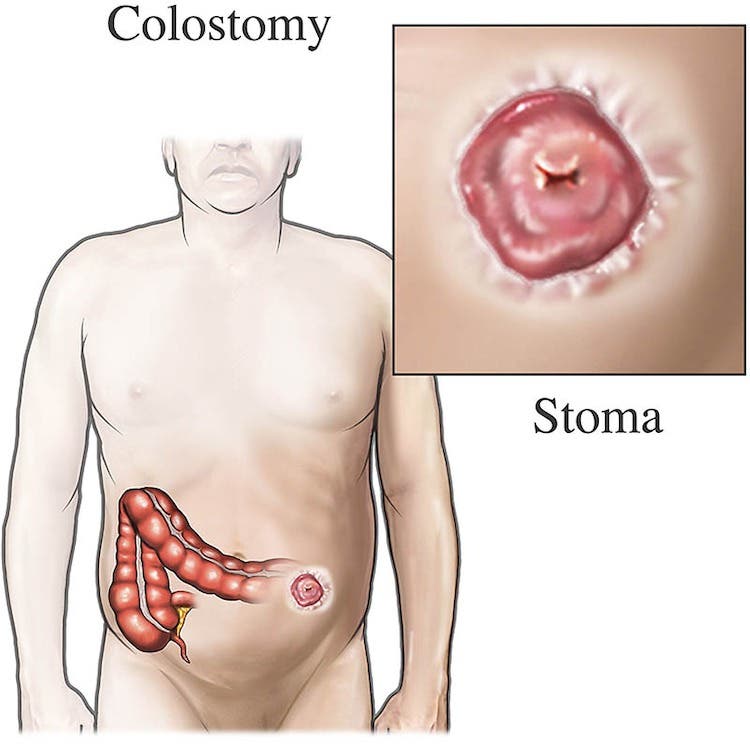
When a person has colon cancer or chronic disease in the large intestine, there is a need for colostomy surgery. In this operation, surgeons bring a part of the colon to the outside of the abdomen and create an artificial opening for the collection of stool, called a stoma. In a few serious cases, doctors remove the large bowel and large intestine. Therefore, it brings several changes in a person's life, physical, psychological, behavioral, and emotional. An ostomate should learn to tackle the situations in life and behave like a normal and healthy person. Role of WOC Nurse Your stoma nurse plays a vital role in your recovery and rehabilitation. There is no one or a specific duty of the WOC nurse. He/she has to play the character of a caretaker, counselor, nutritionist, teacher, manager, researchers, therapist, and an expert. Thus, you can ask everything you want to know about a colostomy. A nurse in the hospital changes your stoma bag, cleans stoma, washes the opening, takes care of your diet, knows your mood swings, and habits. Thus, a WOC nurse treats you accordingly, you can learn about yourself from the nurse in the hospital. You will have to treat yourself likewise after you get discharged slip. Moreover, your caretaker in the hospital room knows changes in the appearance of the stoma. Thus, you will learn the reasons and circumstances of alteration in the size and color of the opening. Life with Colostomy The first change a colostomy brings in your life is a new small and round organ in the abdomen. Therefore, you will have to live with an opening from now onwards (it can be temporary or permanent). Apart from the hole in the belly, there are few more considerations ostomates worry about. Well, the truth is there is no major change in your life except the opening and managing pouching system. There will be no change in your lifestyle and activities. You live your upcoming life on your terms. However, you will have to manage stoma, pouching systems, and a prescribed diet. Diet for Colostomies Colostomy patients think they will have to follow a strict diet chart. They cannot cheat on their diet plan. No, this is not true. A colostomy can eat whatever he/she loves, but with some vigilance. Do not eat such meals that can create problems for your colon, stoma, and digestive system. Some food items cause constipation and some lead to diarrhea. You just have to prevent these stomach issues. Your stool should be normal and soft. Otherwise, the consequences will be unbearable. Do not eat foods that cause constipation or odor, for example, red meat, processed meals, burgers, pizzas, white bread, BBQ, banans, onion, garlic, broccoli, dry fruits, and cauliflower. Moreover, do not eat food items that cause loose motion or diarrhea, for example, mangoes, cucumbers, oranges, spinach, red beans, and pulses. Such meals can disturb your stomach and digestive system. An unpredictable bowel movement can cause a problem for the stoma. Moreover, constant constipation can block the colon and stoma. Thus, eat healthy and soft meals like white rice, apples, pears, olives, fresh juices, etc. Eat slowly and chew properly. Moreover, take four to five small meals per day, do not eat big meals at once. Lifestyle of Colostomy When it comes to lifestyle, it covers your daily activities, your profession, living style, dreams, hobbies, personal life, and social situations. The relaxing news for colostomies is that do not need to give up on anything in life. They only need a little pause after the colostomy surgery. Recovery of the colon, internal organs, and healing of stoma may tale some time. Some patients take three to four weeks, while some take a few months to fully rehabilitate. However, after that, you can join your gym, play your favorite games, sports, enjoy sexual life, go back to your work, give birth, and follow your hobbies.
Discussion
By posting you agree to the Terms and Privacy Policy.