La Grange Woman Insults Student's Grammar
News
La Grange IL
24 February, 2022
9:54 AM
Description
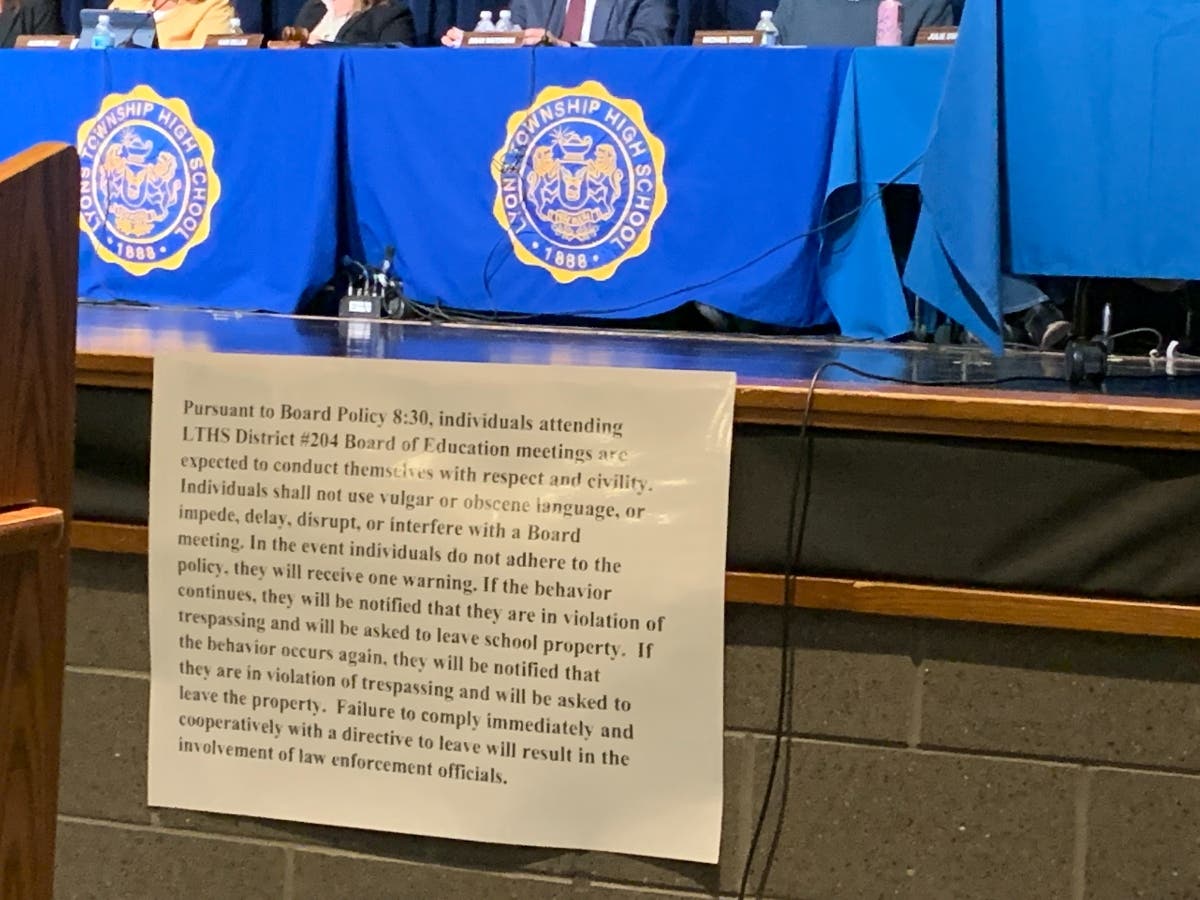
LA GRANGE, IL — School board meetings at Lyons Township High School have become tense in recent times. At Tuesday's meeting, a woman's criticism of a student's grammar may not have helped things. The student spoke out against the school's mask mandate and criticized the administration. The next speaker was La Grange resident Jane Yount. She started by saying, "First, someone might want to teach her the difference between 'went' and 'gone,' but that's for another day." Some in the audience groaned. One man yelled, "That's respectful?" "Quiet down!" board President Kari Dillon told the audience. Yount continued, "Well, you know I went here. I learned English." In her speech, Yount, a lifelong resident, praised the administration and the board for its work. "I have great affection for LT," she said. Many in the audience applauded her after she concluded. Under the board's policy, speakers are expected to conduct themselves with respect and civility. They are to receive a warning for the first violation, then asked to leave the second time. A third violation results in police involvement, according to the policy. The board followed this procedure in December when a man called the board "bobbleheads." He was warned, then used the name again. The man was escorted out. Patch left a message for comment with the school's spokeswoman, Jennifer Bialobok. In 2019, Hinsdale High School District 86 was sued in federal court when it prevented speakers from talking about a school official's position on a controversial science curriculum issue. As part of an out-of-court settlement, the district agreed to have a watchdog group speak about First Amendment issues to the school board. The group advised the board it could not restrict comments on the basis of the content of speech, even racist comments. During District 86's board meeting, the lawyer for the watchdog group, Maryam Judar, was asked whether the board could prohibit slanderous comments. She questioned how the government could decide which comments fell into that category. In an email to Judar shortly after the meeting, Patch asked whether the N-word could be forbidden during public comments. Judar, who has since left the Citizen Advocacy Center, said it was hard to say. She noted the 1971 Supreme Court ruling that found a court violated the free speech rights of a man wearing a "F--- the draft" T-shirt in a courtroom. It was considered speech that was not disruptive to the court and that he should not have been arrested for disturbing the peace. "I don't believe the N-word has been part of any litigation where political speech was suppressed by the government," Judar said in an email. "These situations can be highly context specific, which is part of the reason that government has to afford latitude to speakers lest government chill speech, which is a passive-aggressive form of prior restraint."
Discussion
By posting you agree to the Terms and Privacy Policy.