Slaveholder's Name Stripped From Princeton Seminary Chapel
News
Princeton NJ
28 January, 2022
10:27 AM
Description
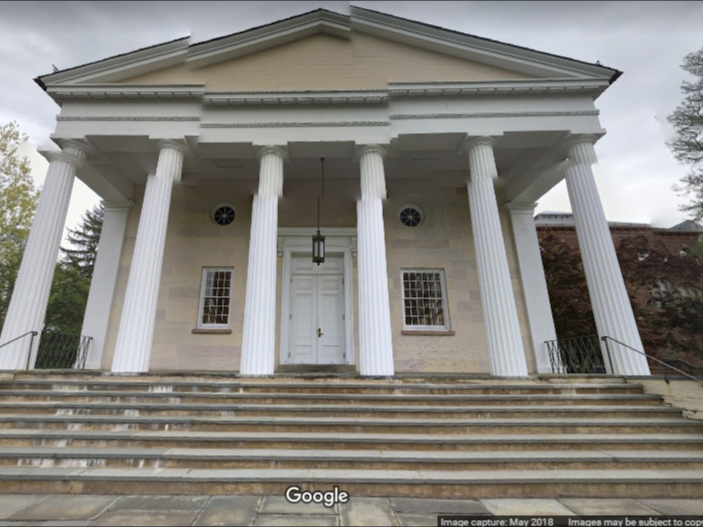
PRINCETON, NJ — The Board of Trustees at Princeton Theological Seminary, voted to remove Samuel Miller's name from the chapel, due to his ties to slavery. The decision came after students, under the leadership of the Association of Black Seminarians, held a demonstration urging the institution to remove Miller's name. The Trustees unanimously voted to rename the chapel at a meeting held Wednesday. "This decision to disassociate the name Samuel Miller from the chapel is another step in Princeton Theological Seminary's earnest commitment to greater equity, including reformation and repair of yesterday's wrongs," the Board of Trustees said in a statement. The Trustees also voted to establish a task force of the Board charged with developing guiding principles and decision-making for naming, renaming, and conferring honor on all other sites and objects related to the Seminary. The task force will include students, faculty, and alumni. "All official conversations concerning the names of buildings, old or new, and other forms of honor on sites and objects will cease until the Seminary officially adopts a set of governing principles based on the work of this task force," the Trustees said. The decision to drop Miller's name was part of the Seminary's "ongoing work of confession and repentance that was part of the historical audit on slavery," Craig Barnes, President, Princeton Theological Seminary, said in a statement. Barnes and the Trustees thanked the students, especially the Association of Black Seminarians "for their thoughtful and spirited engagement over the years in seeking a more just and faithful witness of the Seminary's mission." The Association of Black Seminarians held a demonstration on Jan. 18, urging the institution to remove Miller's name from the chapel. Read More: Princeton Seminary Students Call For Renaming Miller Chapel They also shared a petition which received close to 300 signatures. Miller, the second professor at the Seminary, was a native of Delaware who joined the Seminary in 1813. According to Princeton Seminary's Slavery Audit report, Miller "employed slave labor in his lifetime, including while he lived in Princeton." Many students refuse to attend service at the chapel "because of their deep conviction of spiritual integrity that does not allow them to worship in a place bearing the name of a slaveholder." Thank you for reading. Have a correction or news tip? Email [email protected] Get breaking news alerts on your phone with our app. Download here. Sign up to get Patch emails so you don't miss out on local and statewide news
Discussion
By posting you agree to the Terms and Privacy Policy.