Eat ALL the Fiber: How Fiber Supports Your Digestive Health
Classifieds
Tampa FL
20 December, 2021
3:13 PM
Description
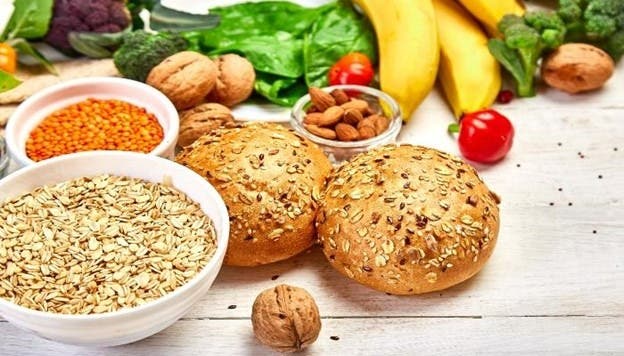
Fiber has long been proven to provide many health benefits. It normalizes bowel movements, which leads to better bowel health. It helps control blood sugar and cholesterol levels, minimizing your risk of developing diseases that impact your major organs, such as heart disease and diabetes. A high-fiber diet also helps you achieve a healthy weight, which leads to a longer, healthier life. Fiber, both soluble and insoluble, helps ease constipation by keeping the intestinal system functioning smoothly. Soluble fiber helps stool retain water, making it softer and easier to pass. Insoluble fiber helps bulk up the stool, so it passes through the gut faster. Fiber is essential to your digestive health because it keeps your digestive tract flowing and prevents constipation. Constipation can make you feel uncomfortable; however, it can lead to more significant problems if you’re constipated for too long or have chronic constipation. Some of the harmful side effects and complications of constipation include bloating, torn anal skin, hemorrhoids, bowel incontinence and fecal impaction. It can also lead to rectal prolapse in severe cases when a portion of the rectum bulges out of the anus. So, let’s talk about easy ways to include this superfood in your diet for maximum health! Ways to Include More Fiber in Your Diet Eat a piece of fruit with every meal. Bananas, apples, strawberries and oranges are easily accessible fruits that are high in fiber. Enjoy a well-balanced meal and grab a piece of fruit to enjoy as dessert while also increasing your fiber intake. Plan meals with more vegetables. Artichokes, beets, carrots, collard greens and broccoli, are vegetables with higher fiber content. So, as you fill your plate this holiday, remember to eat a healthy balance of protein and high-fiber vegetables. Include plant-based protein. Plant-based proteins, such as quinoa, seeds, soybeans and lentils, are excellent sources of both protein and fiber. You can use them to replace your meat entirely, as a starchy side dish or as ingredients in other recipes. Opt for whole grains. Refined grains are processed, stripping them of vitamins and fiber-rich bran. Minimally processed whole grains retain their nutritious fiber. Easy ways to transition to whole grain include choosing whole-wheat bread, pasta and rice over the white varieties. Take fiber supplements. If a day filled with holiday festivities meant attending parties and only eating food served by your host, you may not have consumed enough fiber for the day. A good remedy for that is a fiber supplement, either in pill or powder form. As you enjoy the holidays, keep in mind that while fiber helps normalize digestive function, too much of a good thing can also be harmful. Just as you experience constipation, gas and bloating when your diet lacks fiber, you may suffer the same symptoms if you have too much fiber.
Discussion
By posting you agree to the Terms and Privacy Policy.