A Water Crisis Decades In The Making Has Come To A Head At A Prison Just Outside Chicago
News
Chicago IL
16 December, 2021
1:10 PM
Description
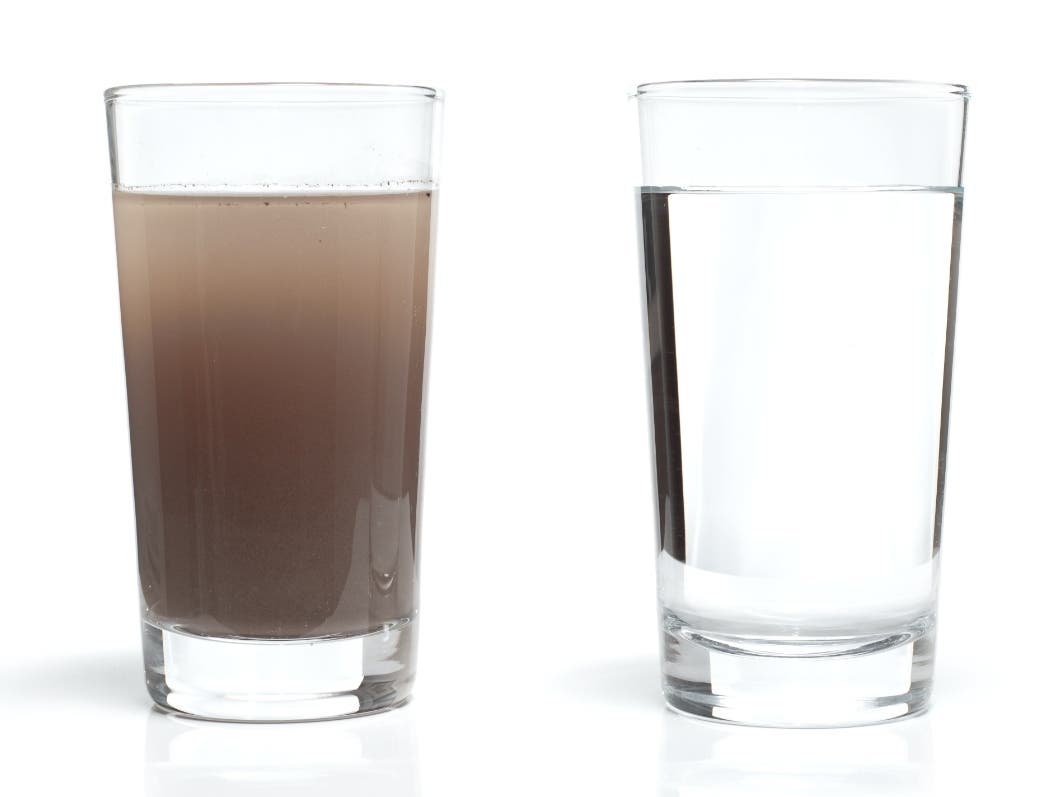
By Grace Asiegbu, Injustice Watch: Braving frigid December temperatures, about two dozen activists gathered last week in a forest preserve across from Stateville Correctional Center to protest what they said is an acute water crisis inside one of Illinois' largest prisons. The group held signs that read "Would YOU drink brown water?" and chanted, "Water is a human right," while a charter bus delivered more than 62,000 bottles of water that they had collected for people inside the prison in Joliet, Illinois, about 40 miles southwest of Chicago. The Rev. Marcus Guerra Jr., a community chaplain and faith organizer at Southsiders Organized for Unity and Liberation Chicago, an advocacy group, said people incarcerated at Stateville have complained for decades that the water in their taps is brown and murky and smells like sewage. But the crisis has grown acute in recent weeks, as supply chain issues and contract disputes have led to a shortage of bottled water in the prison's commissary, where those with means have typically purchased water to drink, advocates said. "Today, we do the most faithful thing upon which we are called: Visit our incarcerated siblings, provide the thirsty with water, and speak truth to power," Guerra said in front of the prison last Tuesday. "We are currently doing the state's job for it." A spokesperson for the Illinois Department of Corrections did not respond to multiple requests for comment. But a message on the department's website says, "Because the supply chain crisis has caused a shortage of bottled water normally sold in Stateville's commissary, purified drinking water is being provided daily to individuals in custody at no cost." The advocates said Tuesday the department is not providing enough water to meet the basic needs of the roughly 2,200 men inside Stateville, which also includes the Northern Reception and Classification Center. They also called on IDOC Director Rob Jeffreys and Illinois Gov. J.B. Pritzker to fix the aging infrastructure that they said is at the root of the problem. "They currently only get 32 ounces of water every other day, when we know you need 64 ounces of water daily," said A'Keisha Lee, an organizer with SOUL Chicago. Lee said the men inside use this water not just to drink but also for other hygiene tasks, such as brushing their teeth. "The water in the pipes they drink and wash with is all brown. And the only option that Stateville has given us is to bring our own water," she said. The statement on the corrections department's website does not say when the department started providing free bottled water or how much the agency is providing per week, and a spokesperson did not respond to questions about it. Testing shows elevated copper levels in Stateville water The department of corrections also released a report by Andrews Engineering, an outside company that conducted water tests at the prison Nov. 4. In the message posted on its website, the department said Andrews Engineering "determined the water in dietary and all housing units is safe for consumption." But Andrews Engineering did not test the water in any of Stateville's cell blocks or living areas, according to the report and Kenneth Liss, the company's president. Liss said the company was asked to review lab results from tests conducted by another contractor earlier this year and conduct new sampling in 20 tap locations that are part of the semiannual water testing required by the Illinois Environmental Protection Agency. A spokesperson for the agency did not respond to a request for comment. The Andrews Engineering report shows that the previous contractor, who is not named, found extremely elevated levels of copper and lead in seven locations tested in October, including the visitor's center bathroom, an officer's dining room, and the control center bathroom. Liss called those test results "an outlier," though copper levels in various testing locations have been elevated in every water sample that's been taken since 2019, according to the report. The Andrews Engineering tests found elevated copper levels at four of the testing sites. Liss said the fluctuations in copper and lead levels found in tests suggest that "sampling methods and methodology have been inconsistent." He said the only way to know whether there is a larger systemic problem is to look at the plumbing in the prison. The report said Andrews Engineering planned to return to Stateville and retest the water last week. But Liss confirmed in an email this week that it has not yet happened. The John Howard Association, a prison watchdog group that monitors correctional facilities statewide, has documented complaints about the water at Stateville being discolored and tasting bad since at least 2013. Jennifer Vollen-Katz, the organization's executive director, said many of Illinois' prisons are "in varying states of decrepitude" and in need of repair. Stateville was opened in 1925, making it one of Illinois' oldest prisons. She said John Howard has called on the department of corrections and other state agencies to conduct more thorough testing and to make improvements to physical prison conditions. "Increased oversight and involvement by environmental agencies and inspectors is critical to improving the sanitation, hygiene, and safety issues that are rife within Illinois facilities," she said. Injustice Watch is a non-partisan, not-for-profit, multimedia journalism organization that conducts in-depth research exposing institutional failures that obstruct justice and equality. For more stories from Injustice Watch, visit InjusticeWatch.org.
Discussion
By posting you agree to the Terms and Privacy Policy.