Faith on the Frontlines
Classifieds
Paducah KY
13 October, 2021
3:05 PM
Description
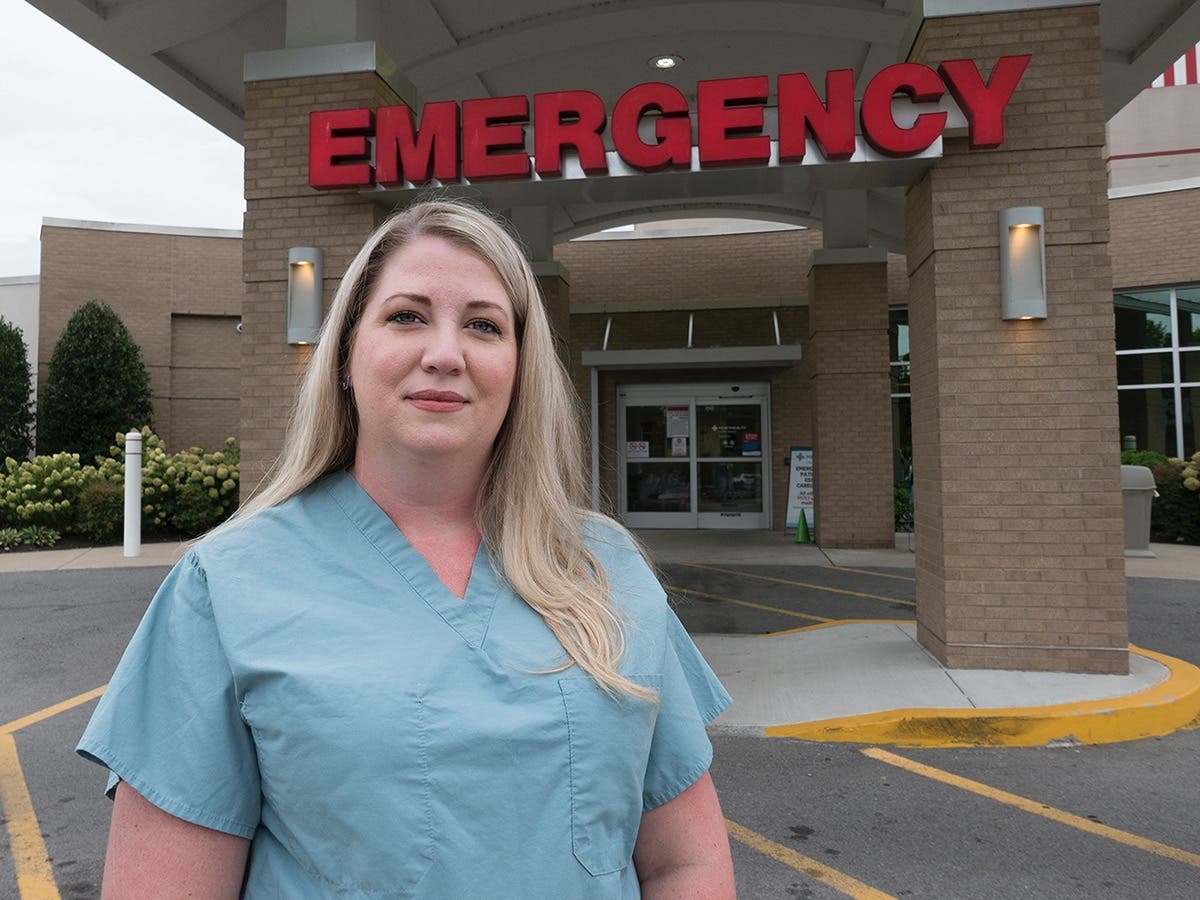
Healthcare Workers Battle Burnout with Spirituality Clover Stewart has spent much of the last 14 months zipping up COVID-19 casualties in body bags. At times, she has felt like one of the many living casualties of the pandemic – frontline medical workers who, at the height of the COVID-19 outbreak, have witnessed a lifetime’s worth of gruesome deaths in the course of a typical week. One night in March 2020, amid the frenzied efforts of the medical staff, the grim sounds of patients gasping for air, and the acrid smell of disinfectant, Stewart’s job got very personal: She recognized one of the deceased as the receptionist she and her pregnant daughter recently spoke with at a doctor’s visit. “I prayed for sanity,” said Stewart, who works in a critical care unit in Brooklyn, New York, and credits her faith for helping her to cope. That night, immersed in death and full of anxiety that she and her daughter may have contracted the virus, Stewart received a voicemail. A fellow Jehovah's Witness was making a special effort to check on congregants working in healthcare and to share an encouraging Bible verse. “God was with me,” she said, as she reflected on the reassurance that God sees her tears. In the year that has followed, spiritual focus has helped Stewart and other frontline medical workers in her religious community battle through the mental and emotional toll of the pandemic. “What healthcare workers are experiencing is akin to domestic combat,” Andrew J. Smith, Ph.D., director of the University of Utah Health Occupational Trauma Program at the Huntsman Mental Health Institute, said in a press release from his institution. According to a study conducted by Smith’s group, more than half of the doctors, nurses and emergency responders providing COVID-19 care could be at risk for one or more mental health problems—including acute traumatic stress, depression, and anxiety. The unrelenting stress has already driven many health care professionals from the industry. “At times we feel like we’ve given everything we can and there’s nothing left,” said Surgery Technician Elyse Hale of Paducah, Kentucky. In September, Kentucky Governor Andy Besehear announced critical staffing shortages in 70 percent of the state’s hospitals. Hale quickly counts off 20 of her colleagues that have quit — “and those are just the ones I know.” The departures, in turn, place additional stress on remaining workers. “Every day you come in not knowing if there’ll be somebody to give you a break or a lunch,” commented Hale. What’s more concerning, workplace burnout makes it “more difficult to have compassion,” Hale observed. “Some [health care workers] just don’t care anymore.” How does Hale fight the tendency towards “feelings of negativism or cynicism” that the World Health Organization associates with burnout? “I try to see people as God sees them. He wants them to live,” said Hale, who is one of Jehovah’s Witnesses.” She also draws comfort from the scripture at Isaiah 30:15, “Your strength will be in keeping calm and showing trust.” American psychological and psychiatric associations, while not advocating or endorsing any specific religion, acknowledge a role for spirituality and religious faith in coping with distress and trauma. Lawrence Onoda, Ph.D., a clinical psychologist in Mission Hills, California, noted a number of ways spirituality can help, including giving people “a positive hope and meaning toward life, comfort by looking for answers and strength from a higher power, and a collective shared experience of support and community.” (For more information on gaining comfort through the scriptures, please see https://www.jw.org/en/bible-teachings/peace-happiness/real-hope-future-bible-promises/) Public Information Desk | 900 Red Mills Road, Wallkill, New York, 12589 | 718-560-5600 | [email protected]
Discussion
By posting you agree to the Terms and Privacy Policy.