Texas SB1: What It Restricts, How It'll Affect Voters
News
Austin TX
07 September, 2021
8:09 PM
Description
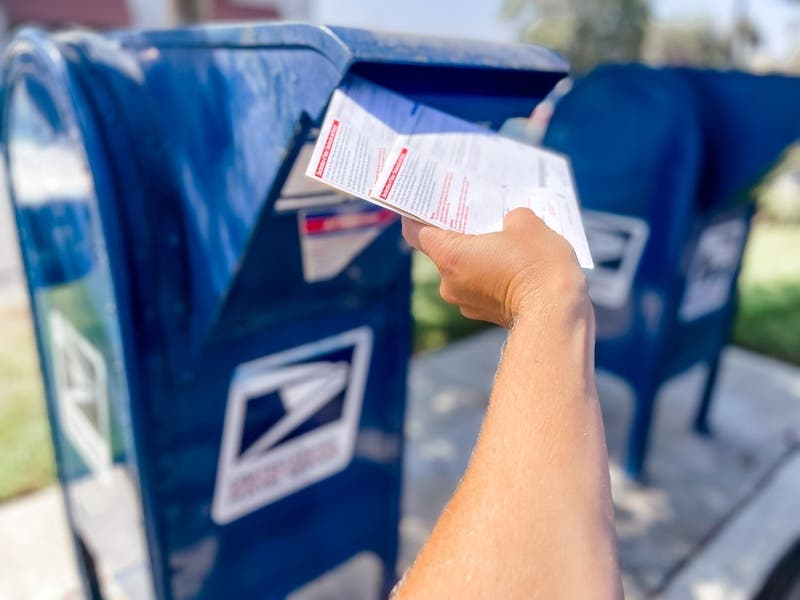
AUSTIN, TX — Texas is now one of many Republican states that have enacted new voting restrictions following the 2020 election. Gov. Greg Abbott signed into law Senate Bill 1, which he coined the "Texas' election integrity bill," on Tuesday. The bill is expected to take effect three months after the special legislative session, in time for the 2022 primary elections. MORE ON THAT STORY: Texas Voting Bill Adds More Restrictions To Mail-In Voting Here's what kind of voting restrictions will take effect now that the bill has passed and how that will affect Texas voters. Live in Austin? Click here to subscribe to our free breaking news alerts delivered to your inbox and mobile devices. Follow us on Facebook and Twitter, and download our free mobile app on Android or iPhone. No more drive-thru voting Drive-thru voting, which was introduced as an alternative for those during the pandemic, will no longer be allowed in upcoming elections. That means polling places must be held indoors and not in a tent or similar temporary movable structure or a parking garage, parking lot, or similar facility designed primarily for motor vehicles. Early voting hours limited; No more 24-hour voting If you were one of many that took advantage of 24-hour voting last election, you won't have that opportunity again. SB1 will ban 24-hour voting and will restrict the hours counties can offer early voting to between 6 a.m. and 10 p.m. The Legislature also added an extra hour of required Sunday voting hours, increasing it from five hours to six. New ID requirements for mail-in voting Under SB 1, voters must provide their driver's license number or, if they don't have one, the last four digits of their Social Security number on applications for those ballots. Voters must also provide those numbers on the envelope used to return their completed ballot.Those numbers must match the information contained in the individual's voter record. Who's eligible for mail-in voting? The option is limited to voters who are 65 and older, will be out of the county during the election, are confined in jail but otherwise still eligible or cite a disability or illness that keeps them from voting in-person without needing help or without the risk of injuring their health. Ban on distributing mail-in ballot applications Local election officials will not be allowed to to send unsolicited applications to request a mail-in ballot. Those who do, could face a state jail felony. That same punishment applies to officials who approve the use of public funds "to facilitate" the unsolicited distribution of applications by third-parties, which would keep counties from providing applications to local groups helping get out the vote. On the other hand, political parties will still be able to send out unsolicited applications on their own dime. Allows a correction to mail-in voting Was a mistake made on your mail-in vote? No, problem. The new bill creates a new process allowing voters to correct their mail-in ballots if they are at risk of being rejected for a technical error. Voters could make those corrections online through a new online ballot tracker that was previously approved by the Legislature. The legislation will also allow voters who make errors on the mail-in ballot application itself to make corrections. Enhanced poll watcher protections Partisan poll watchers at polling places will be allowed "free movement" within a polling place, except for being present at a voting station when a voter is filling out their ballot, according to SB 1. The law would also make it a criminal offense to obstruct their view or distance the watcher "in a manner that would make observation not reasonably effective." Possible penalties for voter assistants, including criminal felonies SB1 would establish new requirements — and possible criminal penalties — for those who assist voters who need help filling out their ballots, including voters with disabilities. The person assisting must fill out new paperwork disclosing their relationship to the voter. Assistants must also recite an expanded oath, now under the penalty of perjury, stating they did not "pressure or coerce" the voter into choosing them for assistance. Live in Austin? Click here to subscribe to our free breaking news alerts delivered to your inbox and mobile devices. Follow us on Facebook and Twitter, and download our free mobile app on Android or iPhone. MORE TEXAS COVERAGE: Feds To Protect Abortion Seekers In Texas: Department Of Justice In 5-4 Vote, Supreme Court Leaves Texas Abortion Law In Place More Texas Students Tested Positive For COVID-19 The Week Of Aug. 16 Than At Any Time Last School Year
Discussion
By posting you agree to the Terms and Privacy Policy.