The Heavy Cost Of Heavy Rain In California
News
San Diego CA
03 September, 2021
11:31 AM
Description
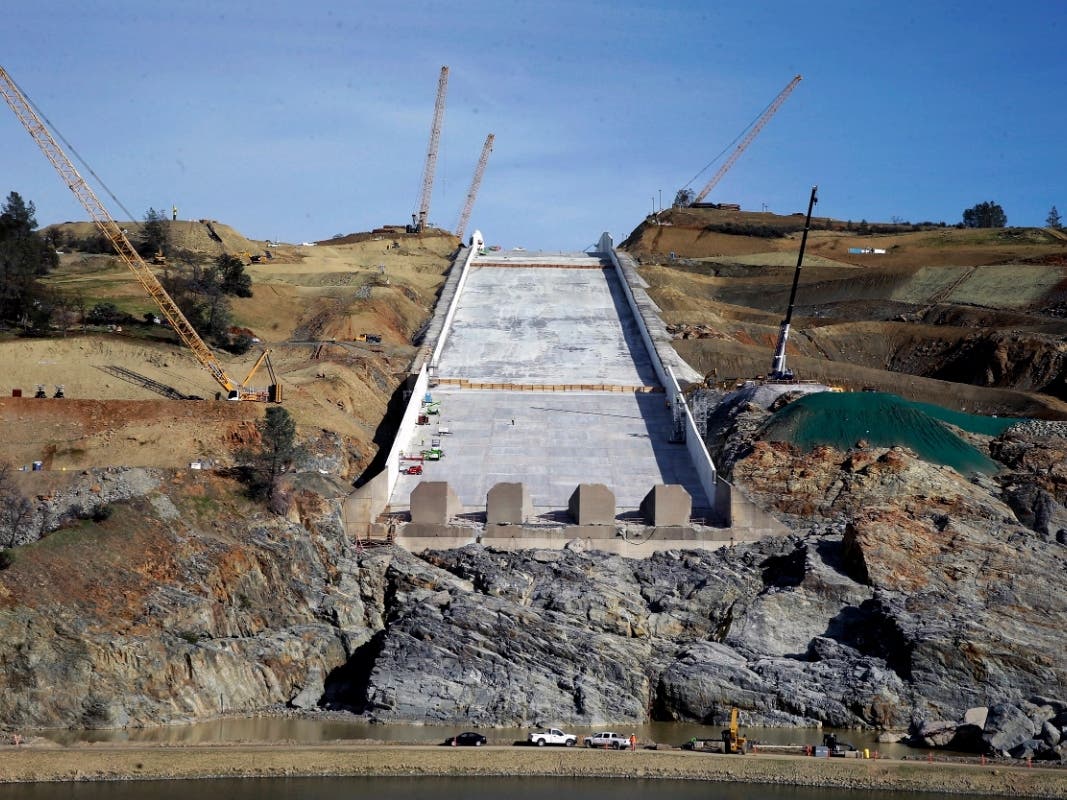
CALIFORNIA — With California's seemingly endless drought it may be years before the spillway at Oroville Dam — which created Lake Oroville, the largest state-owned reservoir — sees another drop of water. That wasn't the case in February 2017, when runoff from torrential rains filled Lake Oroville to its 1.1-trillion-gallon capacity, forcing dam operators to begin releasing torrents of water and damaging both the main and emergency spillways. Short-lived evacuation orders were initially issued as a precaution for more than 180,000 people living downstream. Within eight months the main spillway was repaired and during 2018 the spillway was completely reconstructed and a new emergency spillway was completed. The price tag: At least $1.2 billion. Part of that cost will be paid with property taxes or increased water rates by millions of customers served by 29 water districts who have long-term supply contracts with the State Water Project, operated by the California Department of Water Resources. A department spokesperson told Patch the Federal Emergency Management Agency is expected to reimburse $630 million of the cost with about $479 million paid over the next 16 years by water agencies, an amount that will be increased by interest. Until then the water resources department has been paying the bills from its short-term financing program and proceeds from bond sales. The state began collecting the water districts' proportionate share of the costs during the 2019-2020 fiscal year and payments will continue through 2035. What Is The State Water Project, Anyway?Conceived in 1960, the water project is a labyrinth of reservoirs, pipelines and canals stretching more than 700 miles. It's designed to deliver almost 1.4 trillion gallons of water to millions of California residents and businesses — most in Southern California — along with irrigation of some 750,000 acres of farmland. The project's crown jewels are Oroville Dam, America's tallest, and Oroville Lake, the state's second-largest reservoir behind Lake Shasta. Water is provided in various quantities under terms of water supply contracts with individual water districts, most of them who sell the water at wholesale rates to municipalities and other local water suppliers who resell to their own residential, business and agricultural customers. Although the long-term state contracts effective through 2035 specify an annual maximum allotment of water for each contracting water district, actual amounts of water delivered are dependent upon available supplies and are impacted by drought, with frequently receiving less than their allotment. The project's water is free. What contracting agencies pay for is the cost of storage, delivery, maintenance and other operational expenses, which are reflected in the wholesale rates contractors charge their customers who, in turn, establish higher retail rates for homeowners and others. Here's What Your Neighbors Will PayThe portion of Oroville spillway costs paid by individual water districts is calculated based on the percentage of a district's maximum water allotments and are included in annual bills — or a statement of charges — sent to each water district. Take the huge Metropolitan Water District of Southern California for example. The project's largest contractor, accounting for some 45.8 percent of water deliveries, provides water not only to the City of Los Angeles, but 13 other cities in Los Angeles and Orange counties along with a dozen municipal water districts serving Orange, San Diego, Riverside, San Bernardino and Ventura counties. Its share of the tab will be around $228 million, not including interest, and will be included in charges to its member agencies. Among Metropolitan District customers are the cities of Beverly Hills, Long Beach, Pasadena and Santa Monica along with the San Diego County Water Authority the Municipal Water District of Orange County and the Las Virgenes Municipal Water District serving the cities of Agoura Hills, Calabasas and several unincorporated areas of western Los Angeles County. A Metropolitan District spokesperson told Patch its share of Water Project costs, including the portion for the Oroville spillway, is paid through rates and other charges for services provided to member agencies as well as property taxes. The 10-year rate forecast included in the Metropolitan District's current biennial budget calls for rate increases of between three and five percent, with revisions possibly considered during the budgeting process next spring. Metropolitan District customers will, in turn, decide how these additional costs will be allocated to their customers. A random survey of 10 districts receiving water from the state project indicated many will rely on property taxes, rate increases or a combination of both to pay their share of the Oroville costs. Matt Keller, a spokesman for northern California's largest water contractor, the Santa Clara Valley Water District in San Jose, says his district estimates it will pay about $21 million, including financing costs, through 2035 – or $1.4 million annually. Historically, Keller said, the district has paid its water project costs by levying a State Water Project Tax instead of raising wholesale water rates. Based on its current estimates, the average district household would pay an extra $2.16 per year. One district, the San Gabriel Valley Municipal Water District, which wholesales supplemental water to four small cities in Los Angeles County, says its annual payments will be made from its reserves. Story written by Patch Special Correspondent Bob Porterfield
Discussion
By posting you agree to the Terms and Privacy Policy.