Poisoning After a Storm
News
Newark NJ
02 September, 2021
2:06 PM
Description
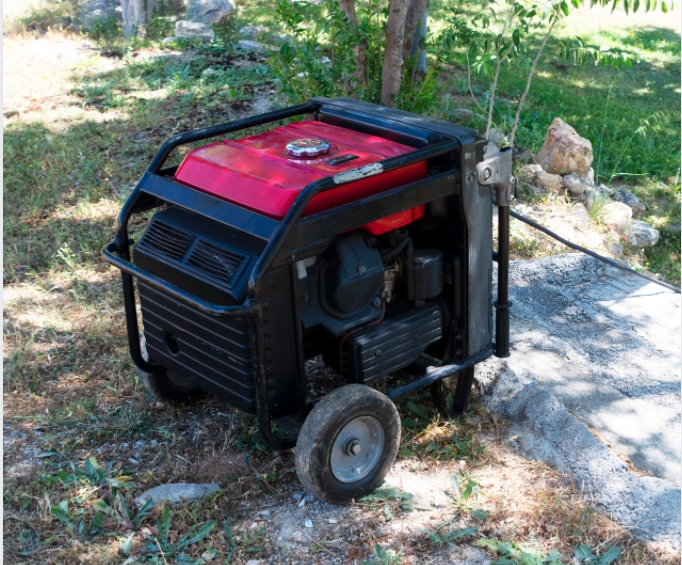
Warning: Using a gas generator indoors can cause death from exposure to toxic carbon monoxide (CO) gas. This deadly gas can build up quickly inside your home, poisoning those inside including pets. The State's Poison Control Center is warning residents about the risk of CO poisoning after last night's intense storm. Last night's storm brought flash flooding, power outages, and widespread river flooding. Many people are using gas generators to keep the power. Gas-powered equipment, including generators, pressure washers, grills, camping stoves and vehicles, produce deadly carbon monoxide and should never be used indoors. To prevent carbon monoxide poisoning, keep gas generators outdoors more than 20 feet away from your home and your neighbors' homes — including doors, windows and vents. "Carbon monoxide gas is deadly and people are often exposed to it during and after intense storms like we had last night," says Diane Calello, executive and medical director of the New Jersey Poison Control Center at Rutgers New Jersey Medical School, Department of Emergency Medicine. "Carbon monoxide gas gives no warning which is why it's important to have working detectors in your home. Listen to your CO detector if it sounds its alarm, it's trying to save your life." Recognize the signs and symptoms of carbon monoxide poisoning and act quickly. Early symptoms of CO poisoning can be confused with symptoms of viral illnesses like the common cold, seasonal flu and COVID-19 (headache, dizziness, weakness, upset stomach, vomiting, chest pain and confusion). It is unsafe to idle your car in the garage even with the garage door open. If you need to charge your phone, pull your vehicle completely out of the garage with the tailpipe/exhaust facing away from the home. Dangerous levels of CO can build up quickly in your home, apartment or vehicle, poisoning those inside including pets. "Every minute counts in situations involving carbon monoxide gas," says Calello. "Call the poison center if you think you or someone was exposed to carbon monoxide, 1-800-222-1222. If someone is unconscious, not breathing, hard to wake up, or seizing, call 9-1-1 immediately." If you suspect carbon monoxide poisoning, get help immediately: If someone is unconscious or unresponsive, get him or her out of the house and call 9-1-1 immediately. Leave the house or building right away. Do not waste time opening windows. This will delay your escape and cause you to breathe in even more dangerous fumes. Contact your local fire department or energy provider. Call the NJ Poison Control Center at 1-800-222-1222 for immediate treatment advice. Do not waste time looking for information on the internet about carbon monoxide poisoning. Call the poison center for fast, free and accurate information. Safety tips to help reduce your risk of carbon monoxide exposure during storms: Outdoors Generators should only be used outside. Keep generators more than 20 feet from both your home and your neighbors' homes. This includes keeping generators away from doors, windows, and vents. Generator safety tips Use pressure washers, grills, camp stoves, or other gasoline, propane, natural gas or charcoal-burning devices outdoors only. It is never safe to use them inside your home, basement, garage, carport, camper, boat cabin, or tent. Indoors Carbon monoxide detectors should be on every level of your home, including near sleeping areas. Check to make sure your CO detectors are working. If detectors are old and/or not working properly, replace them. Keeping a car running in a garage is extremely dangerous. Carbon monoxide gas can quickly build up inside the garage even with the garage door open. Be careful with "remote start" engines which may turn on without you knowing it. New Jersey residents can contact the poison center's medical professionals in the following ways: Call the Poison Help Hotline at 1-800-222-1222; Text 973-339-0702; Chat via the Poison Center's website. If someone is unconscious, not breathing, hard to wake up, or having a seizure, immediately call 9-1-1. Stay connected on social: Facebook Twitter. Media contacts only: Alicia Gambino ([email protected]), NJ Poison Control Center at Rutgers New Jersey Medical School
Discussion
By posting you agree to the Terms and Privacy Policy.