Candidate Profile: Dow Constantine For King County Executive
News
Renton WA
31 July, 2021
12:08 PM
Description
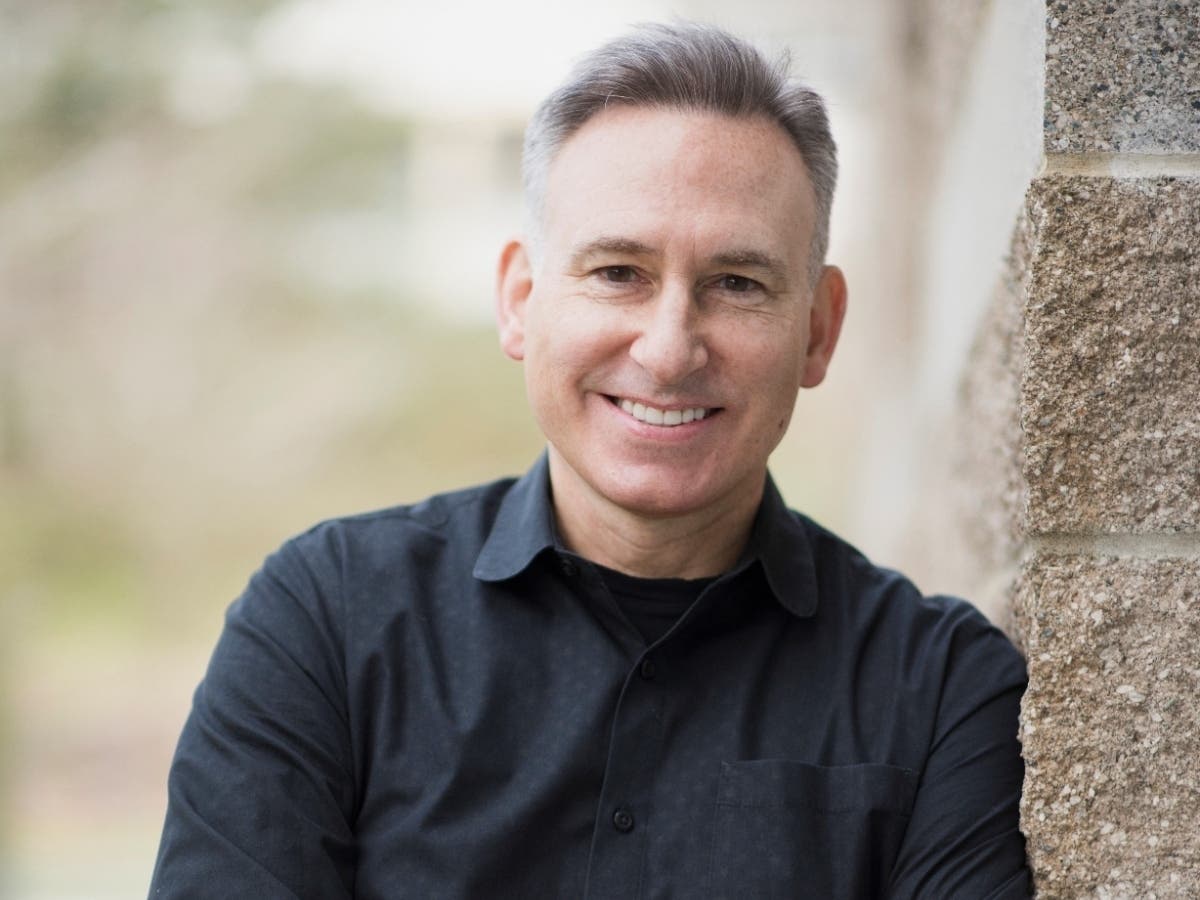
KING COUNTY, WA — Voting is underway and the 2021 primary election is heating up in King County ahead of Election Day, Aug. 3. Nearly 650 candidates are seeking various offices in 2021, beating the previous record set in 2017. Out of that total, more than 200 candidates appear in the primary, which features all the races with three or more people seeking the same office. Patch asked candidates to answer questions about their campaigns and will be publishing candidate profiles leading up to Election Day. Candidate Dow Constantine Age (as of Election Day) 59 Position Sought King County Executive Party Affiliation Democratic Family My parents – retired public school teachers – taught me values of service and community. My wife Shirley and I are raising our daughter in the same West Seattle neighborhood where I grew up. Does anyone in your family work in politics or government? No. Education West Seattle High SchoolUniversity of Washington: BA, Masters in Urban Planning, JD Occupation King County Executive (2009 - Present) Previous or Current Elected or Appointed Office King County Executive – (2009 - Present)King County Councilmember – (2002 - 2009)State Senator – (2000 - 2002)State Representative – (1997 - 2000) Campaign website DowConstantine.com Why are you seeking elective office? The last year and a half my team has worked tirelessly day in, day out to take on the COVID pandemic and lead a public health response informed by science. While the fight is clearly not over yet, I'm proud that our community stepped up, made shared sacrifices, and embraced our values and our efforts, leading to one of the nation's strongest public health responses. I'm running for re-election to finish the job and wrestle this pandemic to the ground, but also because this crisis has presented new opportunities to make significant progress on longstanding challenges, so through recovery we can drive forward our mission to create a region where every person can thrive. We are taking on that work now – a $630 million recovery plan to rebuild our economy for all; our Health through Housing Initiative, rapidly moving thousands of people off the streets and into secure housing with services; a more effective, modern, and just public safety system; and a new Strategic Climate Action Plan to do our part in the fight against climate change. To see these critical efforts through, and so many more, and to continue delivering proven, effective leadership in these challenging times, I am asking for your continued support. The single most pressing issue facing our (board, district, etc.) is _______, and this is what I intend to do about it. Beyond the immediate crisis of COVID and its economic impact, the most pressing issue facing our region is homelessness. The pandemic made an existing crisis far worse, adding renewed focus to the fundamental need for more emergency housing, service provision, and a truly regional approach. While others have talked about the problem, my administration has been committed to delivering solutions – forming the Regional Homelessness Authority and directing hundreds of millions toward the purchase of hotels, other housing options, and needed support services. Now is the time where we can turn the tide on this crisis – with urgency and a real plan. Through my Health through Housing initiative, we are buying 1600 hotel rooms to give people their own, safe place, their own bed, their own bathroom, a place to keep their things – with the services that will restore lives. Further, we are using American Rescue Plan funds to create 500 new enhanced, secure, 24-hour shelter spaces, along with 400 jobs to help people who have been homeless and unemployed get back on their feet. We're distributing 300 county housing vouchers, along with 1000 vouchers coming to the Housing Authority from the federal government. Similarly, we are committed to keeping people out of homelessness from the beginning. Through Best Starts for Kids, we have kept 10,000 kids and families housed, and we are also delivering over $140 million in rental assistance and support for those most in need. We are funding significant development of affordable housing and addressing the root causes of the homelessness crisis. Over the next year, we are moving thousands off the streets and into housing, making a significant and noticeable difference for those suffering homelessness and for all of our communities. As Executive, I will continue delivering the bold, detailed, comprehensive plans needed to truly make progress on this crisis. What are the critical differences between you and the other candidates seeking this post? The two major distinctions between my opponents and I are experience and support. I have a proven record of public service at the state and county level, including uniquely in the position I hold now. I led one of the nation's strongest pandemic responses by following science and public health, not catering to political expediency. And, I'm a regional collaborator who works alongside community leaders and local government officials toward real solutions for everyone in our county. I'm grateful to have received many major endorsements in this campaign. I've been endorsed by Governor Inslee and former Governors Locke and Gregoire, the vast majority of King County's legislators, a majority of the County Council, nonpartisan mayors and city councilmembers, community leaders, and the organizations that track and closely evaluate the candidates, including MLK Labor Council, Planned Parenthood, Washington Conservation Voters, the Alliance for Gun Responsibility, firefighters, nurses, essential workers, and many more. They have seen my record and values in action and have overwhelmingly chosen to support my campaign. When Mitzi Johanknecht leaves office, what should the county look for in appointing a new sheriff? As I detailed in this Op-Ed to the Seattle Times, we need a system of public safety that ensures every community in King County feels both safe and welcome – and appointing a sheriff who shares these same values and sets the tone for the entire department will be crucial. Under my leadership, we worked directly with impacted communities and families who have lost loved ones due to police violence in designing a new inquest process that will ensure real and increased accountability for the sheriff's department. Similarly, the hiring of a new sheriff will occur with the extensive input of community and thorough exploration of candidates to ensure we make the right choice – committed to accountability, transparency, community co-creation, and safety for all. As the Executive's Office takes voter-mandated additional oversight of the sheriff and their department, we have convened a community task force that is defining – from the beginning – what kind of changes we need to make to improve practices and champion alternatives like social workers and other first responders instead of relying on police to solve every problem, to prevent police violence and ensure civilian oversight, and to create a public safety system where the true safety of all King County residents is an inherent, constant priority. The same will be true as we seek to hire a sheriff who believes in and can implement these priorities – community input will be critical. What are some of your priorities for a post-pandemic recovery? A truly equitable post-pandemic recovery allows us to address longstanding issues, and rebuild our region's economy, with opportunity for all. To jumpstart this effort, I have proposed and enacted a $630 million COVID recovery budget, with local, state, and federal American Rescue Plan funds. Through this budget, and more, we are supporting those who have been the most impacted by the pandemic including small businesses, workers, and the most vulnerable. We are creating new jobs and apprenticeships, supporting industries at risk, and setting ourselves on a course for a more prosperous future. Developed with community input, our plan includes funding for investments like $25 million for BIPOC businesses and economic resiliency; $20 million supporting creative economy organizations and $11 million for an arts recovery fund; over $10 million for new construction apprenticeships and job training; $9 million for unincorporated King County small business grants and permitting; $1 million creating economic pathways for young people involved in gun violence; among other critical investments. One other area I'm particularly excited about is restoring and strengthening transit service. Transit connects people across our region to education, jobs, and new opportunities, and I look forward to further integrating and expanding our bus and rail services, with the next big advance being the opening of Northgate Link in just three months, followed closely by East Link to Bellevue and Redmond. When I was elected Executive in the midst of the Great Recession, facing budget deficits and high unemployment, my new administration put King County back on sound financial footing. Under my leadership, King County has maintained AAA bond ratings, and enjoyed one of the most remarkable periods of economic growth in our region's history. I will continue to govern in a way that supports this continued success, and seeks to connect all our residents with opportunity. What would you do in office to strengthen preparedness and response efforts for extreme heat and wildfire smoke events? As climate change continues to drive new weather patterns and extreme heat events, we are continuing aggressive climate adaptation as part of our Strategic Climate Action Plan, working to provide shelter options and expanded tree canopy shade, and making investments in parks, open space, shorelines, forests and critical areas. In the immediate and in response to extreme weather and wildfire smoke, we are ensuring public spaces are available with clean air, as well as designated cooling centers, including overnight stays. As these events become yearly occurrences, we are better equipped to swiftly respond and provide support for those in our communities, especially the most vulnerable. We are also working with our city partners to provide similar protections and services for all King County communities. In the long term, we are taking bold climate action steps to reduce emissions and our impact on climate change, such as converting our Metro fleet to electric buses, as well as engaging in forest management and conservation efforts. Through these we have planted over 1-million trees, and as part of our new plan, we will plant and preserve 3-million more. Our 30-Year Forest Plan outlines a shared vision for increasing forest canopy, improving forest health, confronting climate change, and promoting clean water and healthy habitat. The comprehensive plan – developed with input from a broad coalition of partners – is designed to ensure that King County's forests continue to provide multiple benefits, such as storing carbon, improving salmon habitat, providing timber, lowering temperatures in urban areas, improving water quality, regulating water quantity, offering recreational opportunities, and, supporting cultural values. How do you think local officials performed in responding to the coronavirus? What if anything would you have done differently? When the first COVID-19 outbreak in the United States occurred in King County, there was no playbook. Working with my team and public health experts, I calmly and decisively led the region following the science – and our neighbors responded, helping to save thousands of lives. As a result of those efforts, King County achieved the lowest rate of death and infection of any major metropolitan area, and the New York Times reported that if the nation had followed our lead, the United States could have saved an additional 300,000 lives. Now, we are the most vaccinated county of our size in the nation, and were the fastest of our size to reach the 70% mark. Because of these efforts we are on track for a faster, stronger recovery. Trends nationwide demonstrate the unfortunate disparity in vaccination rates for communities of color, but we have funded and advanced targeted, community-led outreach, so that these communities hear from trusted leaders and organizations. As a result, King County's vaccination rates for these communities are far above national averages. With hindsight, there are always improvements that could be made to our processes and to our work with community, but given limited tools from the federal government – and in an emergency situation with little information – I'm exceptionally proud of our community's response. Describe the other issues that define your campaign platform. Race and Social Justice: In June 2020, I joined Public Health Director Patty Hayes in declaring racism a public health crisis, and working with a core team of predominantly Black, Brown, and Indigenous employees, proposed an Anti-Racist Policy Agenda, funding community groups to share expertise and hone the agenda to ensure we were prioritizing the right actions. My seventh COVID supplemental budget includes tens of millions of dollars of investment supporting that agenda. We're working to address long standing disparities by funding new economic opportunities for underrepresented and BIPOC communities and businesses; putting millions into affordable housing specifically intended for marginalized communities; and transforming the criminal legal system to co-create new systems of true community safety. There's more to do – and our work must continue. What accomplishments in your past would you cite as evidence you can handle this job? My administration has been focused on making King County the most effective local government in the country – committed to customer-service and a responsive approach ensuring we are a best-run government. We have increased efficiency and kept costs in-line with population growth and inflation, all while managing a more than 14,000 employee workforce. As Executive, I have led one of the nation's strongest COVID-19 responses, based on science. I established the Regional Homelessness Authority and created Health through Housing, acting with urgency so we can move thousands out of homelessness, off the streets, and into housing this year. I created the Land Conservation Initiative, the Clean Water Healthy Habitat Initiative, and a nation-leading Climate Action Plan, for which I was recognized as a national leader in our transition to 100% electric fleets. I elevated Equity and Social Justice, creating an office dedicated solely to those efforts and an Equity and Social Justice Plan that leads with racial justice. I bolstered Metro service, leading King County Metro to be ranked the best large transit system in North America in 2018; developed ORCA LIFT: providing reduced transit fares for low-income people; and I led the creation of Sound Transit 3, delivering a truly regional transit system through over 60 new miles of light rail and nearly 40 additional stations. Finally, I originated and led 'Best Starts for Kids' – the most comprehensive approach to healthy child development in the nation, investing in support for children, youth and young adults, funding free school clinics, and working with 500 community organizations. This year, through the levy renewal, we are adding 3000 spots for guaranteed childcare. Every kid – no matter their background – deserves the strong foundation, along with mentorship and community guidance along the way, needed to succeed. The best advice ever shared with me was: There are a lot of hurt feelings in politics, but you can't be cross with too many people all at once – no more than three, and if someone new gets added to the list, someone else gets removed.
Discussion
By posting you agree to the Terms and Privacy Policy.