Rhode Island Sees Increased Cases Of Legionnaires' Disease
News
Cranston RI
26 July, 2021
2:59 PM
Description
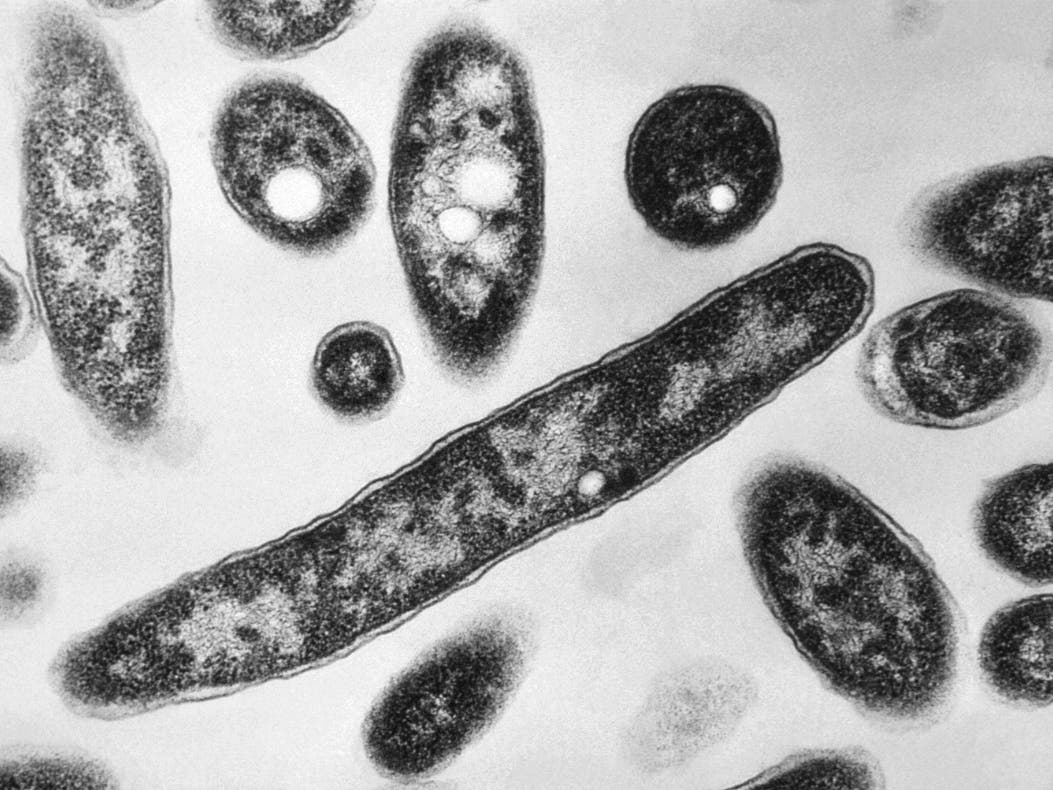
PROVIDENCE, RI — Rhode Island reported triple the number of cases of Legionnaires' disease over the past months compared to years past, the Department of Health said. From June 2 to July 26, 30 cases of the illness were reported in Rhode Island. That's three times the average of 10 cases based on data from 2014 to 2020, the department said. Of the 30 cases, 28 people were hospitalized, and 29 had illness onset from June 17 to July 21. Dr. Nicole Alexander-Scott, the director of the Department of Health, said the identified cluster shows the department's routine monitoring of communicable diseases works. "We know that Legionella bacteria grow best in complex water systems that are not well maintained," Alexander-Scott said. "When this water becomes aerosolized in small droplets, such as in a cooling tower, shower, or decorative fountain, people can accidentally breathe in the contaminated water. This is of particular concern now as some buildings' water systems have been offline for a prolonged period due to the COVID-19 pandemic and are just now returning to service." At this time, no common source of exposure has been identified, though the department continues to investigate. People usually develop symptoms of Legionnaires' disease two to 10 days after exposure to contaminated water. Common symptoms include cough, shortness of breath, fever, muscle aches and headaches. The illness is only spread from a contaminated water source through the air, and cannot be transmitted person-to-person. Most people who contract the illness need to be hospitalized, but make a full recovery. About one in 10 people with the illness die, the department said. The sooner the person starts taking antibiotics, the less likely that they will develop serious complications like lung failure, or will die. Legionella is most often found in buildings that primarily house people over 65 years old, buildings with several units and a central hot water system, such as hotels or high-rise apartments and buildings with more than 10 stories. The Rhode Island Department of Health urged residents to take hte following steps to help slow the spread of Legionnaires' disease If you live in a building at a high risk for Legionnaires' disease, ask if there is a Legionella Water Management Program in place. In homes or other types of buildings, follow the manufacturer's directions about how to clean and disinfect hot tubs, whirlpools, showerheads and breathing equipment like CPAP machines, to help stop bacteria from growing.
Discussion
By posting you agree to the Terms and Privacy Policy.