New Hampshire Officials: Teach, Train, And Treat All Equally
News
Concord NH
22 July, 2021
9:57 AM
Description
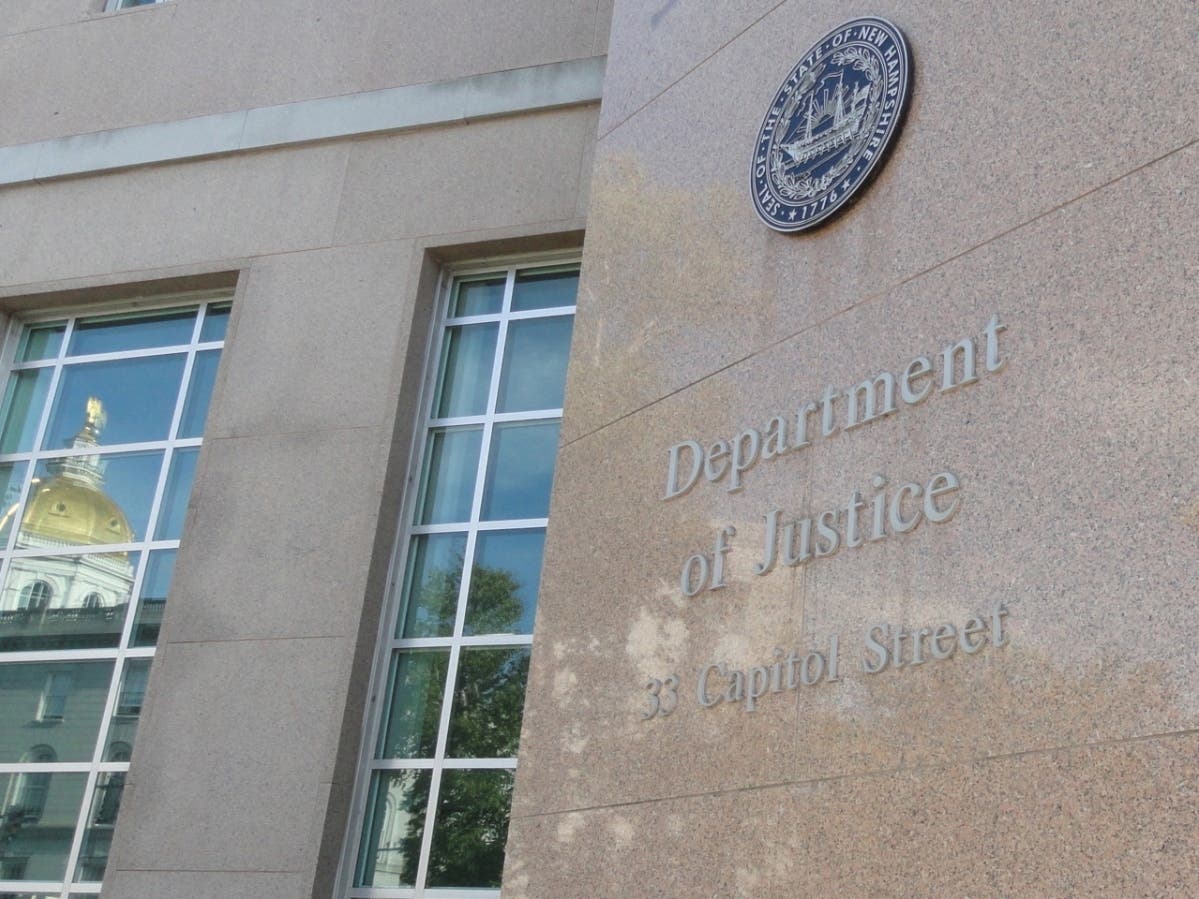
CONCORD, NH — Officials from the state have issued two guidance documents concerning language in education and the training of state employees outlining what will and will not be allowed when it comes to political and cultural subgroups and how they are described and represented in a learning and training environment. HB 2, the state's two-year budget, contained a law called Right to Freedom from Discrimination in Public Workplaces and Education, two sections of anti-discrimination provisions, focused on state employee training and K-12 education. The New Hampshire Attorney General's Office, along with the New Hampshire Department of Education, and the Commission for Human Rights, issued the guidance documents on Wednesday, in an effort to bring clarification to the much-discussed law. "The state of New Hampshire and its political subdivisions recognize that they have a duty to ensure that they treat all residents and visitors equally," the guidance documents stated. "This means that all employees or individuals who work to provide or administer programs and services on behalf of the state of New Hampshire, including teachers in an educational setting, must continually strive to treat all of those with whom they may come into contact equally and with dignity and respect." The theme of "train and treat all equally and without discrimination" was featured in both documents, highlighted and bolded on the first page. ALSO READ: Frequently Asked Questions: New discriminatory practice prohibitions applicable to k-12 educational programsFrequently Asked Questions: New discriminatory practice prohibitions applicable to public employers and government programs For education, schools are prohibited from teaching that any one identified group — age, sex, gender identity, sexual orientation, race, creed, color, marital status, familial status, mental or physical disability, religion or national origin, is "inherently superior or inferior to people of another identified group" or is "inherently racist, sexist, or oppressive, whether consciously or unconsciously." The law, however, does not prohibit the teaching of American history or sensitive historical subjects such as slavery, the treatment of the Native American population, segregation and Jim Crow laws, or other subjects. It also does not ban discussions about current events such as the Black Lives Matter movement or the promotion of equity or inclusion. If students or parents complain about curriculum or extracurricular activities, that does not necessarily mean a school or district is in violation of the policy. And parents or guardians can remove their children from participating in the course material if they choose. The law also applies to training for educators. Educators can also be disciplined and potentially lose their credentialing with the state if they violate the law. Employee training provisions focused on many of the same issues the education guidance document addressed. The law bans public employees and government programs from training and advocating that one group is inherently superior or inferior to another. Nothing in the law, the guidance document stated, prohibited training geared toward diversity, equity, equality, and inclusion or implicit bias training either. The guidance documents noted HB 544, the so-called "divisive concepts" law, was not approved, and the term is found nowhere in the HB 2 sections. Discriminatory complaints can be filed with the commission, the attorney general's office, or a civil claim can be filed in superior court. Got a news tip? Send it to [email protected]. View videos on Tony Schinella's YouTube.com channel or Rumble.com channel.
Discussion
By posting you agree to the Terms and Privacy Policy.