Steps Involved in Mold Remediation
Classifieds
Dallas TX
09 July, 2021
12:04 PM
Description
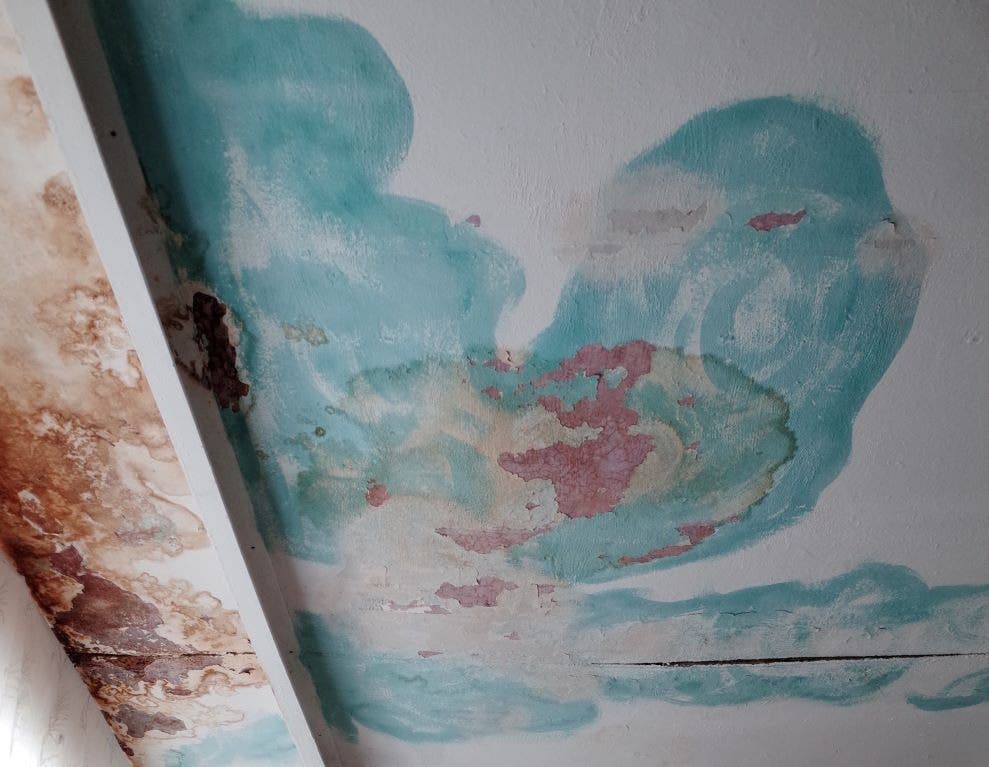
Mold remediation is a complex process that can be costly and time-consuming. It is important to understand the various steps involved in mold remediation in order to effectively manage the risk of contamination and costs, which is why there are many considerations during this process. If you're looking for information on how to remove mold or perform a drywall repair, it's imperative you read this article first, prepared by Water Mold Fire Restoration of Dallas. Drywall Repair/Removal The primary goal in a mold remediation project is to remove the mold from the affected areas and perform necessary repairs where necessary. Drywall repair or removal depends on the severity of contamination but can involve anything from patching drywall holes to completely removing drywall in a contaminated area. This step and any subsequent steps are dependent on the extent of damage to the affected area. Remediation Feasibility Remediation feasibility is the process of determining whether a property is at risk of contamination and if remediation is financially or physically feasible. The assessment performed by the professionals must include a thorough "walk-through" that looks for signs of mold growth. For large projects, it is also important to evaluate the suitability of properties for remediation. This will prevent unnecessary expenses in the long run. Containment Containment is arguably the most important step during a mold remediation project. It requires the professionals to contain or separate affected areas from common areas, usually by closing doors and windows. Also, proper containment ensures that there won't be any contamination to other properties by means of air movement or human traffic. This is also an ideal time for extensive mold testing in order to determine the extent of contamination and type(s) present in a particular area. Airflow/Ventilation Removing mold and dust particles is one of the primary goals in air circulation and ventilation. Air circulation is important to eliminate moisture, which is capable of supporting the growth of mold spores and molds are very sensitive to changes in environmental conditions. It is critical to have proper air circulation systems that support the natural process of evaporation. Proper ventilations also prevent the probable reoccurrence of mold growth by removing condensation or water droplets left behind. Removing Mold and Water Damage Removing the mold from hard surfaces or non-porous materials is a relatively easy process, but it requires special care to prevent further contamination. This is when the professionals use biocides or active air purification systems to remove mold from a given area. The goal is to completely remove the mold, so it's also vital to clean up any water damage as part of this step. Remediation and Restoration This is the final step in a mold remediation project. It consists of testing the area and repairing any damage that was caused. This also includes protecting the area from any subsequent contaminations by using a variety of air cleaning systems, such as dehumidifiers or air filtration units. No one performs mold remediation better than Water Mold Fire Restoration. After this is done, they assess for any potential mold growth by conducting air sampling tests. Once all necessary steps have been taken, you can start enjoying your property again or take action to prevent future contamination. For more tips on mold removal, consult with the professionals in your area like Water Mold Fire Restoration of Dallas. Get in touch with local contractors that can help you remove any mold growth and repair drywall damage. Water Mold Fire Restoration of Dallas 6215 Richmond Ave, Dallas TX 75214 972-559-4244 https://watermoldfire.net/dallas-tx/
Discussion
By posting you agree to the Terms and Privacy Policy.