Tick Bites Spike In PA: Diseases And How To Protect Yourself
News
Norristown PA
04 June, 2021
1:18 PM
Description
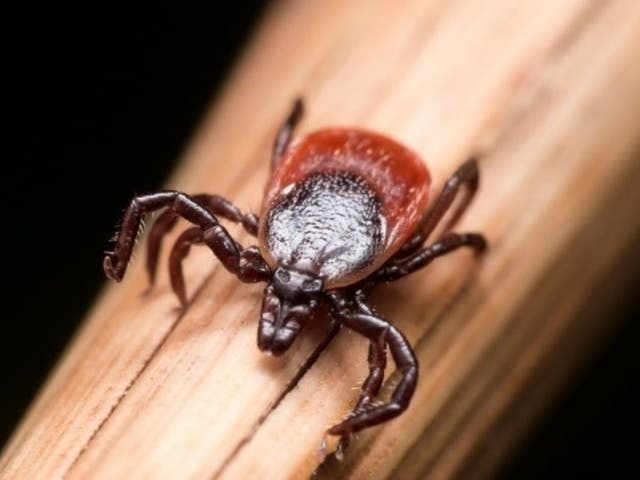
PENNSYLVANIA — The warmer weather months are in full swing in Pennsylvania, and as more and more people get outside, so too are more various types of wildlife becoming active. And it's not just the now famous 17-year cicadas who are coming in droves of billions across the region with the heat. It also includes some much more nefarious critters: ticks. State officials are now warning residents to protect themselves from the disease-spreading arachnids, which are increasing in population in Pennsylvania. "We have seen increases in tick bite-related emergency department visits in nearly all regions across the state and while this trend is expected this time of year, it's an important reminder that tick-borne diseases continue to be prevalent in Pennsylvania," Acting Secretary Alison Beam said. As part of their effort to combat tick-borne disease, officials have launched a surveillance and testing program to study the rate of disease. In an analysis of 3,000 adult black legged ticks in Pennsylvania, 58 percent had Lyme disease. Another 12 percent had anaplasma, 3.7 percent had babesia, and 0.6 percent had Deer tick virus. These results are in line with similar previous surveys, officials said. Late spring and early summer are the most common times for tick bites, but they can happen year round. Many different species of ticks are found all over the globe, but only a few of them bite and transmit diseases: American dog tick, blacklegged tick (also known as a deer tick), brown dog tick, Gulf Coast tick, lone star tick, Rocky Mountain wood tick and western blacklegged tick. Pennsylvania is home to four ticks which transmit disease, according to the Centers for Disease Control: American dog tickDiseases transmitted: Tularemia, Rocky Mountain spotted feverBlacklegged tickDiseases transmitted: Lyme disease, babesiosis, Powassan virus, relapsing feverBrown dog dickDiseases transmitted: Rocky Mountain spotted fever (in the southwest)Lone Star tickHeartland virus, tularemia, STARITo avoid tick bites, health officials recommend: Cover exposed skin with lightweight and light-colored clothingAvoid tick-infested habitats such as areas dense with shrubbery or tall grassUse an EPA-approved insect repellent Once returning home, immediately check yourself, children, and pets for ticks Take a shower immediately to remove ticks that may be crawling on skin If possible, dry clothing and gear in a dryer to kill any ticks When ticks hatch from eggs, they have to "eat blood at every stage to survive," according to the CDC. They range in size from less than one-eighth of an inch up to about five-eighth of an inch. And they find their hosts like a highly skilled assassin, detecting breath, body odor, body heat, moisture, and vibration. If you find a tick, remove it as soon as possible using fine-tipped tweezers. Make sure to pull straight up with steady, even pressure to ensure part of the tick doesn't break off in the skin. Once it's out, clean the bite area with rubbing alcohol or soap and water.
Discussion
By posting you agree to the Terms and Privacy Policy.