Cutler Bay Heart Warrior wins $1,000 prize from CGI Windows
Classifieds
Miami FL
13 May, 2021
9:08 AM
Description
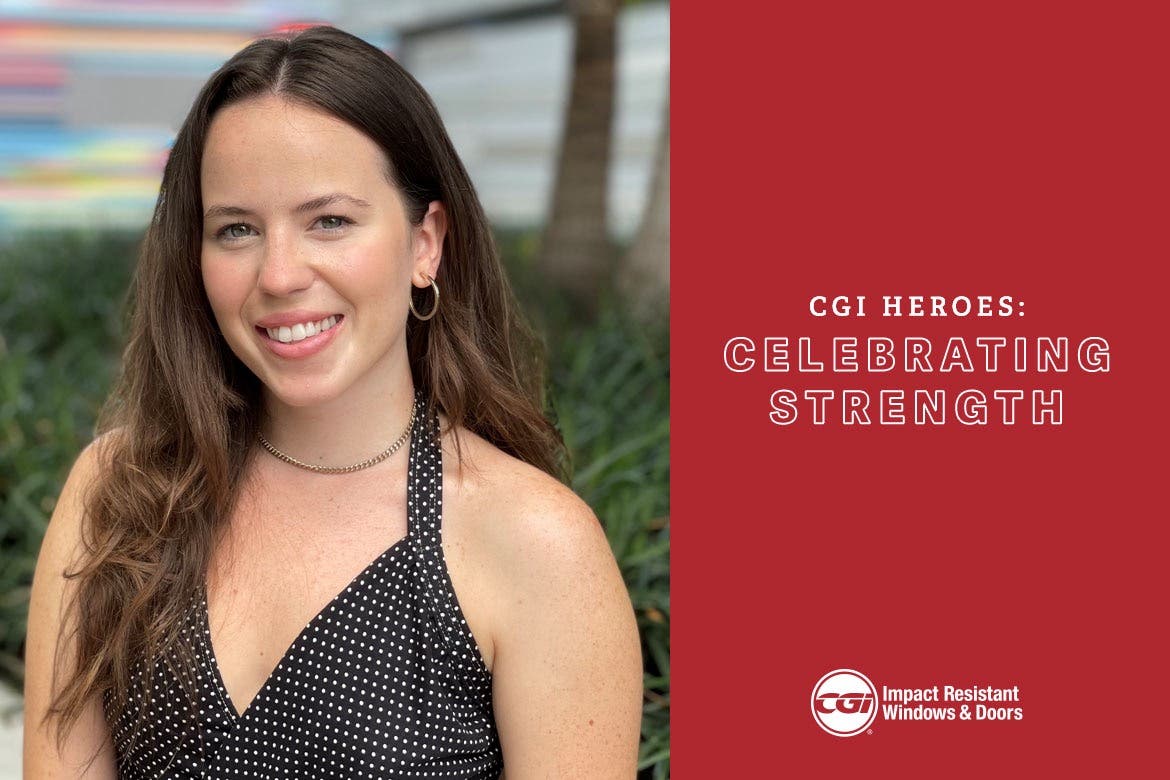
At 17 years of age, when the Miami, Florida native was a senior in high school with a promising dance career and her whole life in front of her, she was diagnosed with the number one killer on school campuses and the leading killer of student-athletes. Her life changed forever when she fatefully found out that she has hypertrophic cardiomyopathy. “It was devastating,” she says. “Just a week earlier, I had accepted an invitation to be part of Miami City Ballet’s pre-professional program to dance six days a week, six hours a day. Then I found out I had a heart condition that kills athletes without warning.” Her aunt was diagnosed with hypertrophic cardiomyopathy first. Since it’s often genetic, her aunt encouraged Bethany and her eight siblings to get a heart screening. From this, Bethany and one sister found out they have the condition which usually has no recognizable symptoms. The first sign too often is death. This is the condition usually to blame when an athlete unexpectedly collapses on the field. Statistically, 1 in 300 youth has an undiagnosed heart condition, though not all lead to death. The condition presents itself differently in people. Bethany’s sister was told to immediately halt anything that really got her heart pumping, including the sports and other physical activities she was used to. The doctor told her she was lucky to be alive. Bethany was a little luckier. “For me, I can still be active which I feel grateful for. The doctors have allowed me to keep dancing.” A lifetime of medication, testing, and treatments began. This included having to wear heart Holters. “It was mortifying to show up to dance class with a device the size of a CD player stuck down my leotard with wires heading out in different directions. At that time, I didn’t know how my condition would limit me,” she says. “I didn’t want to talk about it, and I tried to hide it from people.” That was seven years ago. Over time, she has realized more and more that she is extremely lucky. “It’s a condition that usually kills people before they know they have it, so to have found out about it early was a blessing.” Both sisters now have defibrillators implanted into their chests. Though Bethany’s device protrudes from her side and has left her with scars, she feels grateful for the life-saving device. Still, it’s life-altering as well. It’s a lot for a young person to deal with. “My sister and I felt super blessed that we had each other to talk to but knew others didn’t have anyone to lean on,” she says. “That gave us the idea of doing something proactive and positive with what we had been dealt.” They decided to use the power of social media to educate others about heart conditions that affect so many yet are largely unknown. They started the HeartCharged Instagram page to spread awareness. “It just blew up,” she says. “We found all of these heart warriors, others who were going through what we did. A girl my age was so scared about her diagnosis and was refusing treatment until she saw how I was dealing with it. It’s a really scary thing for kids to go through and knowing you have someone who gets you is so important.” The support Bethany found online made her want to do even more. She built her own website and created her own 501(c)(3) nonprofit, HeartCharged. Thousands of followers gather online to engage with her original content that makes people smile, cry, cheer, understand, and laugh. She puts on community heart screenings and teaches CPR and how to use an external defibrillator to prepare people to act in emergencies. She also donates defibrillators. She puts on school assemblies teaching the Get HeartCharged steps to cardiac survival. And she’s even helping to change the law. “We just got a law passed in Florida to get CPR and AED training for high school students, which can prevent death from sudden cardiac arrest,” she says. “Next year we’re working on getting heart screenings for all kids in Florida. Many heart conditions have no recognizable symptoms. With screenings, deaths can be prevented.” For high school sports, she says, students need to have a physical but not a heart screening. “It’s crazy we’re not doing heart screenings along with physicals when sudden cardiac arrest is the #1 killer of student-athletes. It’s a super easy EKG test that costs $20 and takes maybe 15 minutes. We do hearing tests and scoliosis tests and cholesterol tests; why are we not screening for heart conditions?” To continue reading, click below: https://cgiwindows.com/cgi-cel...
Discussion
By posting you agree to the Terms and Privacy Policy.