How Does An Automated Pressure Holding System In The USA Work?
Classifieds
New York City NY
03 May, 2021
11:11 AM
Description
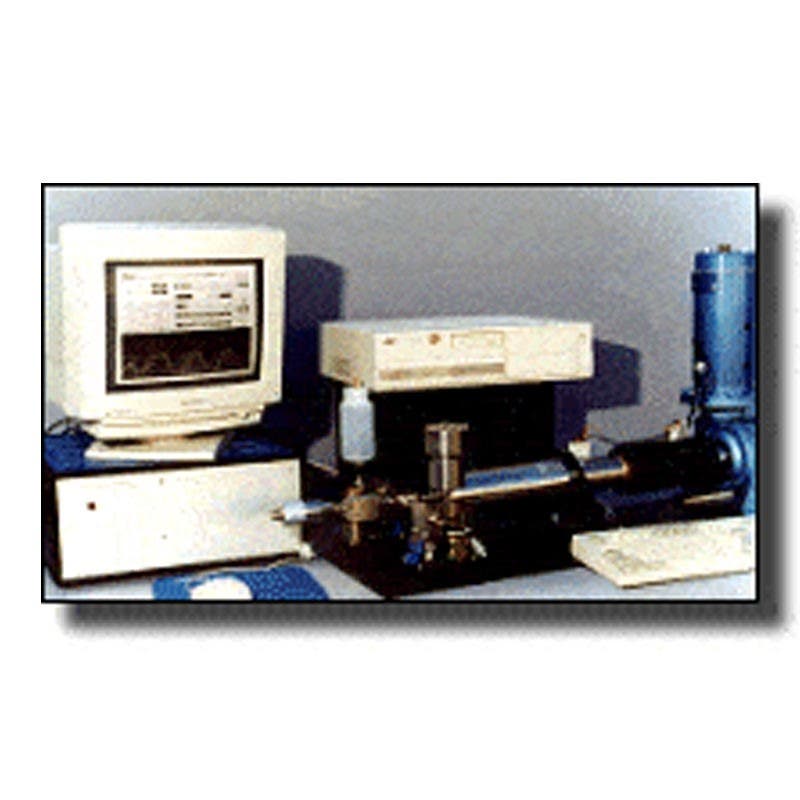
Automated Pressure Holding System has innovated time-consuming and hectic industrial testing procedures for the better. Creating accurate results for analysis and statistical measurements was something industries used to struggle with when machines were not as advanced. But today, machines have come a long way as energy-efficient, cost-effective, and time-saving machines have automated a variety of commercial and industrial tasks. One such machine, the Automated Pressure Holding Tester, is revered especially for its pressure testing systems and accurate results. Today, let’s discuss how this works to make your decision easier regarding why this is best suited for your industry. What Is The Automated Pressure Holding System Best Used For? The automated pressure holding tester (APHT) is used for generating target pressures while maintaining atmospheric pressures. The range for these pressures starts from 5,000 psi (for the pneumatic system) and can go up to 60,000 psi (for the hydraulic system). The machine’s automatic procedures allow it to work once the test conditions are determined. This minimizes operator involvement. The APHT is a computer microprocessor-controlled tester that enables its users to control holding times, pressurization rates, and target pressures as per requirements. Moreover, there are two types of automated pressure holding machines. One of which is the Hydraulic, and the other is the Pneumatic version. These variants differ in their specifications, making them work a little differently as well. The Hydraulic Automated Pressure Holding System The Hydraulic Automated Pressure Holding device is heavier than the Pneumatic version as it weighs about 300lbs. The testing procedures work with alcohol, water, and oil. This works differently from the Pneumatic version, which can work with most fluids. The air requirement is also nothing determined. This leads the pressure range to exceed from 0-60,000 psi. Furthermore, because the pressure is this high, the transducers are maintained at 0-60,000 psi accordingly. Both the pneumatic and hydraulic variants can hold samples infinitely. The high-pressure rate adjusts the accuracy rating making it up to 0.01% FS. The power requirements are 110 VAC, 60 Hz, and 220 VAC, and 50 Hz for more intense work. The pressurization rate is 0.1 psi per sec – 200 psi per sec, and the control accuracy rating is around +/- 0.02% FS. Lastly, the system resolution is 1/20,000 (65,536 optional) and dimensions are 51” H x 28.5” W x 26” D. The Pneumatic Automated Pressure Holding System The other APHT version is the pneumatic. It functions with an air requirement of 80 psi and has a lower pressure range of 0-5000 psi. The 0-5000 psi range sets the pressure transducers accordingly, which then adds to the accuracy level by 0.01% FS. Similar to Hydraulic, there are two power requirement options for the pneumatic automated pressure holding system. The first one is 110 VAC, 60Hz, and the second is 220 VAC, 50Hz. Moreover, the default pressurization rate is 0.1 psi per second, reaching up to a maximum of 200 psi per second based on test settings. The system resolution is measured at 1/20,000 (65,536 optional). The Pneumatic version automatically controls accuracy at +/- 0.02% FS because of the given system resolution. While the dimensions are the same as the previous, this version weighs almost half the hydraulic at 150 lbs. Ultimately, Industries using this machine because it has an “infinite” maximum holding time. Still, if you want to conduct some R&D and quality assurance tasks with a conditioned pressure testing device, you need to consider the automated pressure holding system. Remember to choose it depending on your industrial requirements and needs. After all, a suitable machine can help your industry achieve efficiency.
Discussion
By posting you agree to the Terms and Privacy Policy.