Cyanotoxins Indicate Algae In Waters Near Piney Point: DEP
News
Bradenton FL
19 April, 2021
7:32 PM
Description
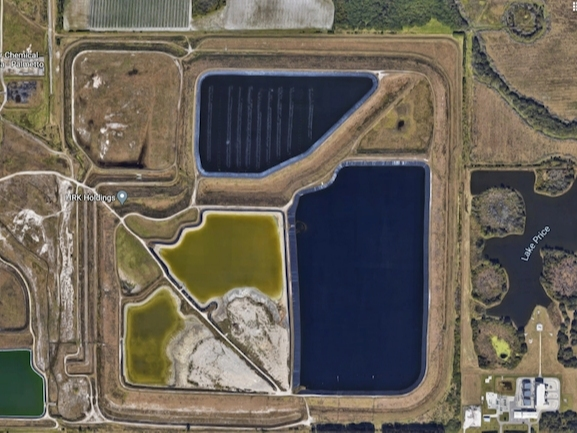
PALMETTO, FL — Indicators of blue-green algae have been found in the waterways near the Piney Point reservoir following a wastewater breach at the site. Around 200 million gallons of wastewater have been removed from Piney Point, the site of a former phosphate processing plant, in recent weeks to stabilize the system and prevent a larger breach from flooding the area. Manatee County worked with regional, state and federal partners to pump much of the wastewater from the retention pond into Port Manatee and Tampa Bay. The controlled discharge ended April 9 and state officials said the site will be permanently closed and restored. In Monday's Piney Point update from the Florida Department of Environmental Protection, the agency said, "At this time, bloom conditions have been observed in the localized area of previous discharges." The agency has been monitoring water samples from waterways near Piney Point since the breach. Cyanotoxin levels have ranged from non-detectable traces to a concentration of .34 parts per billion, the FDEP said. Cyanotoxins are produced and released by cyanobacteria, which are also known as blue-green algae, according to the U.S. Environmental Protection Agency website. These toxins block sunlight and deplete oxygen in the water, which can kill marine life, including fish and shellfish. The FDEP said no fish kills were reported in the area as of Monday. Like what you're reading? Invite a friend to subscribe to free Bradenton newsletters and real-time email alerts. Cyanotoxins can also harm people and pets that come in contact with, ingest or inhale them, the U. S. Centers for Disease Control and Prevention said. Since the start of the Piney Point crisis, environmental groups and scientists have expressed concern that the nutrient-rich water pumped into Tampa Bay could lead to algal blooms. Suncoast Waterkeeper and Tampa Bay Waterkeeper, nonprofit organizations dedicated to the protection and restoration of local waterways, said the water being released contains excess phosphorous and nitrogen in a joint statement on Piney Point. At one point during the controlled wastewater discharge, the county was on track to release nearly 500 tons of nitrogen in one week, the groups said. "This is equivalent to approximately 100,000 bags of fertilizer." The wastewater discharged had about 10 times the nitrogen of raw sewage, they added. The groups noted that excess nitrogen and phosphorous are known to fuel algae blooms. Justin Bloom, founder of the Suncoast Waterkeeper, told WTSP that he expects conditions to worsen in the waters surrounding Piney Point. "I have no doubt we'll see fish kills and other negative impacts. We'll have to wait to see how all of this plays out in the coming weeks," he said. A University of South Florida scientist and professor told WUSF that the effects of the wastewater breach could linger in the Tampa Bay region for months. "Every time the tide sloshes to the north or to the south, this plume is going to spread a little bit more to the north and to the south," Bob Weisberg, a professor of physical oceanography at the College of Marine Science, said. "And depending on how the winds are blowing, it will disperse towards the other side of the bay." He added, "There will be low concentrations of the Piney Point effluent in the bay as it spreads out for months."
Discussion
By posting you agree to the Terms and Privacy Policy.