Mark Whitwell on God Love and Parent Love
Classifieds
New York City NY
24 March, 2021
6:24 AM
Description
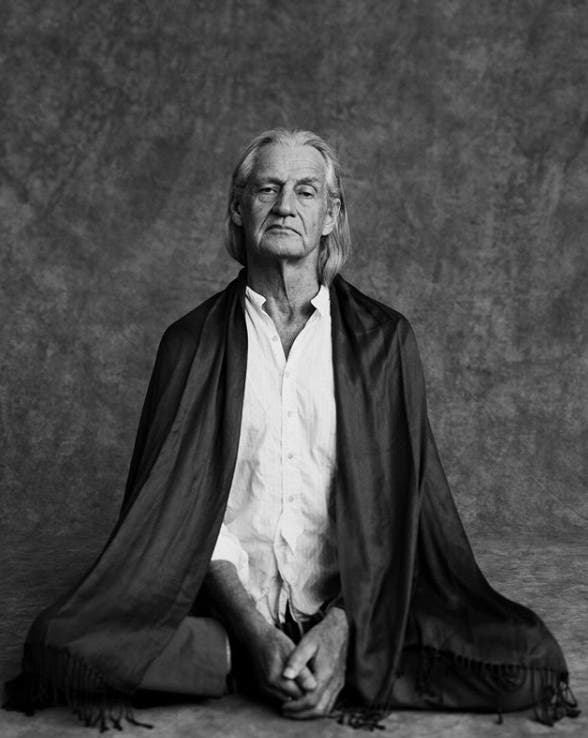
The love of the Heavenly Father God and the ‘Holy Father’ or priest, his agency on Earth, inherently suggest that the love of your actual biological father is lesser. There’s an English nursery rhyme that says it all: ‘I love you, but Jesus loves you the best.’ Mother or father’s love is believed to be not as great as ‘God’s love’ and its special human agents (i.e., priests, popes, gurus, swamis, etc.). These systems deny tangible reality for an abstract ideal and in so doing dissociate us from our actual lives. However, there are some hopeful signs that patriarchal systems are gradually dissolving themselves: in terms of the behaviors of their leaders at least, if not in their social structures. For example, the present Pope insists on behaving as an ordinary person; the Dalai Lama insists he is an ordinary monk. Also in modern times, it is significant that the Beatles and other cultural icons claimed their ordinary lives in the midst of super fame, which did much to disintegrate hierarchies in secular and spiritual life. These figures made a working-class hero something to be. The great English visionary, William Blake, wrote that God only exists in actual beings (by which he meant ‘all things’). Is it possible that mother’s love is God’s love? In original Vedic culture, it was understood that god, guru, mother, father, your spouse, your body, and your child are One, arising in the one Reality in a vast elemental interdependence and harmony. Besotted love-devotion to all in all was the sublime culture of this ancient world. It was a folk or people’s culture and practice, a way for ordinary, mainly agricultural people to embrace their own power and beauty. Mark Whitwell | Heart of Yoga The unique union with Guru was like the relationship between the wave and ocean. Mark Whitwell believes it was an equal, yet profound relationship. Without this egalitarian form, so-called ‘gurus’ replicate this model of the ‘special agent’ or ‘special person.’ Within this model they can only have followers: no transformation, and no actual Guru-Shirshya (student) function or transmission can occur. In the ancient world of Veda there were never temples to the Guru and the Guru was never worshipped. The Guru had no special social or personal identity, authority or status. Mark Whitwell says for there to be a Guru there must be a Shisha. When the student became free (moksha) the relationship dissolved for its purpose was over. Of course, life-long gratitude remained. The emphasis in this culture was on the liberation of the student, not the status and continuity of the Guru. This is so important. Liberation was considered the domain and possibility of all ordinary people, not the rarity of exclusive so called enlightened rarified or perfected people, implying that all other people are not perfect. Read the full article here: Mark Whitwell About: Mark Whitwell has taught yoga for over three decades across the globe, and is the founder of the Heart of Yoga foundation, and the Heart of Yoga Peace Project. Mark Whitwell is interested in developing an authentic yoga practice for the individual, based on the teachings of T. Krishnamacharya (1888-1989) and his son TKV Desikachar (1938-2016), with whom he enjoyed a relationship for more than twenty years. Mark Whitwell is the author of four books: ‘Yoga of Heart,’ ‘The Promise,’ ‘The Hridayasutra,’ and, ‘God and Sex: now we get both.’ He also edited and contributed to his TKV Desikachar’s classic yoga text, ‘The Heart of Yoga.’ Mark Whitwell is a father of three and a grandfather. He now resides between New Zealand and Fiji and continues to write, teach, and speak.
Discussion
By posting you agree to the Terms and Privacy Policy.