Does Winter REALLY Stop Mold? Your Home Could Be In Danger
Classifieds
Chicago IL
01 March, 2021
2:55 PM
Description
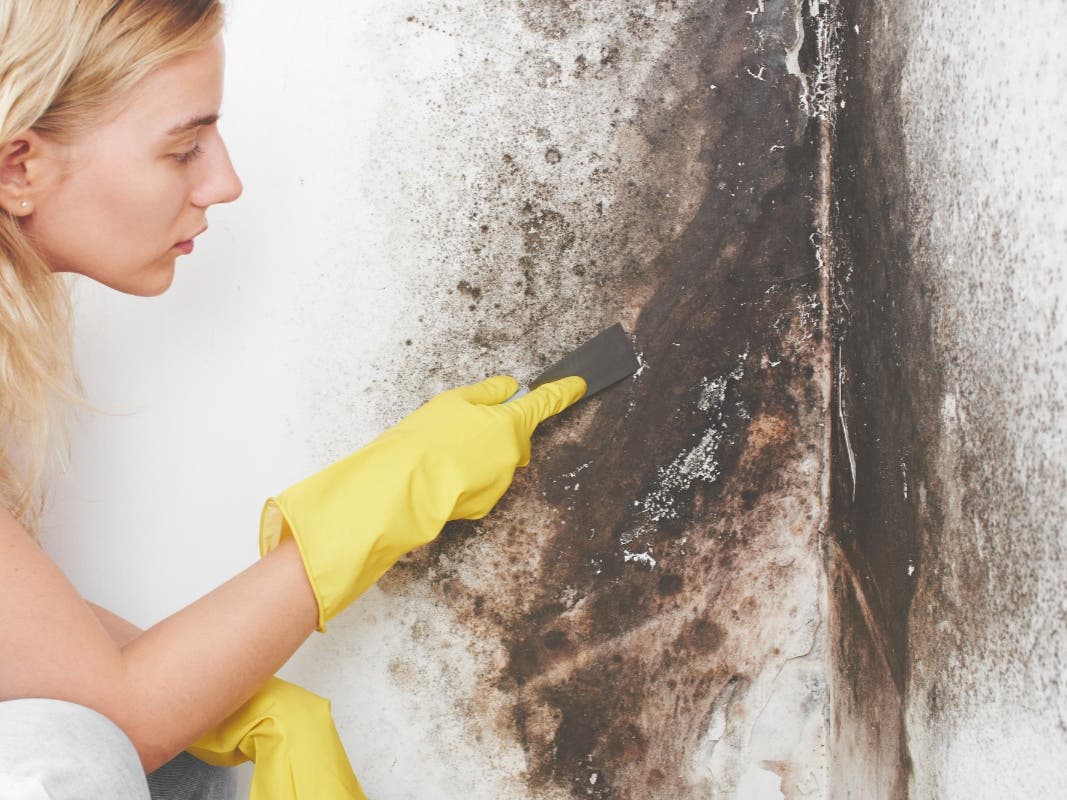
Common Questions About Cold Weather Mold In Chicago Homes There is a common assumption that mold is a seasonal problem, which is not entirely true. To a lot of homeowners, mold is likely to disappear as the weather gets colder. As much as temperature could have an impact on the growth of mold, it is a year-round challenge, and staying vigilant is the only way of keeping it at bay. Here are some of the top asked questions about winter mold problems, as explained by a renowned Chicago mold testing and remediation service. Is it Possible For Mold to Grow in Cold Temperatures? Yes, it is possible. This is because mold requires three main things to grow and they include the right temperature, sufficient food source, and moisture. Contrary to popular belief, mold can also grow in colder temperatures as well. There are different types of mold and they’ll all flourish under different conditions. There is some type of mold that is likely to thrive in the cold winter months. The unfortunate bit about mold growth is that the right temperature for growth is also the same one required to ensure comfort in the home during winter. Winter Temps Are Not Always Death to Mold The cold temperatures don’t necessarily kill mold. They can hibernate waiting for the right conditions before they start to spread. Mold can still survive even in subzero temperatures. Mold spores will start to multiply and spread as soon as the weather becomes favorable. This is the reason why trying to influence the temperature levels in your home will not be an effective solution to getting rid of mold. The secret to getting eradicating mold in your home is getting rid of moisture while making sure that the humidity levels are in check. Checking Your Windows Regularly Winter and fall months are known to be associated with precipitation. Since surfaces such as window panes will collect moisture, they’re the perfect place for mold to grow and expand. Condensation is the reason why there is moisture around the window areas during winter. Do Mold Allergies Abate in Cold Weather? Mold allergies can result in serious health complications. Some of the unpleasant symptoms will include skin irritation, watery eyes, running nose, asthma attacks, and a host of allergic reactions. Since mold will still be present in your home during winter, the allergies are not likely to go away. It gets worse with indoor heating if the spores have accumulated in the duct areas of the HVAC unit. Preventing New Mold From Forming For mold to grow and spread, the conditions have to be right. One of the things you’d want to make sure of is that the room humidity levels are below 50% at any given time. Leaks also need to be fixed as soon as possible to prevent water from collecting. It is recommended to use a ventilation fan when taking a shower. Gutters need to be cleaned to avoid leaks on the roofing structure. Chicago Mold Testing & Remediation Services Can Help Indoor mold is not only destructive but can also be harmful to your health. At Water Mold Fire Restoration of Chicago, we’re committed to providing professional mold inspection and testing. You can contact us by giving us a call or visiting our website today. Water Mold Fire Restoration of Chicago 3521 N. Wilton Ave Chicago, IL 60657 312-574-3814 https://watermoldfire.net/chicago-il/
Discussion
By posting you agree to the Terms and Privacy Policy.