Early Thaws Cause Big Problems For Chicago Homes - Plumbing Tips
Classifieds
Chicago IL
18 February, 2021
11:56 AM
Description
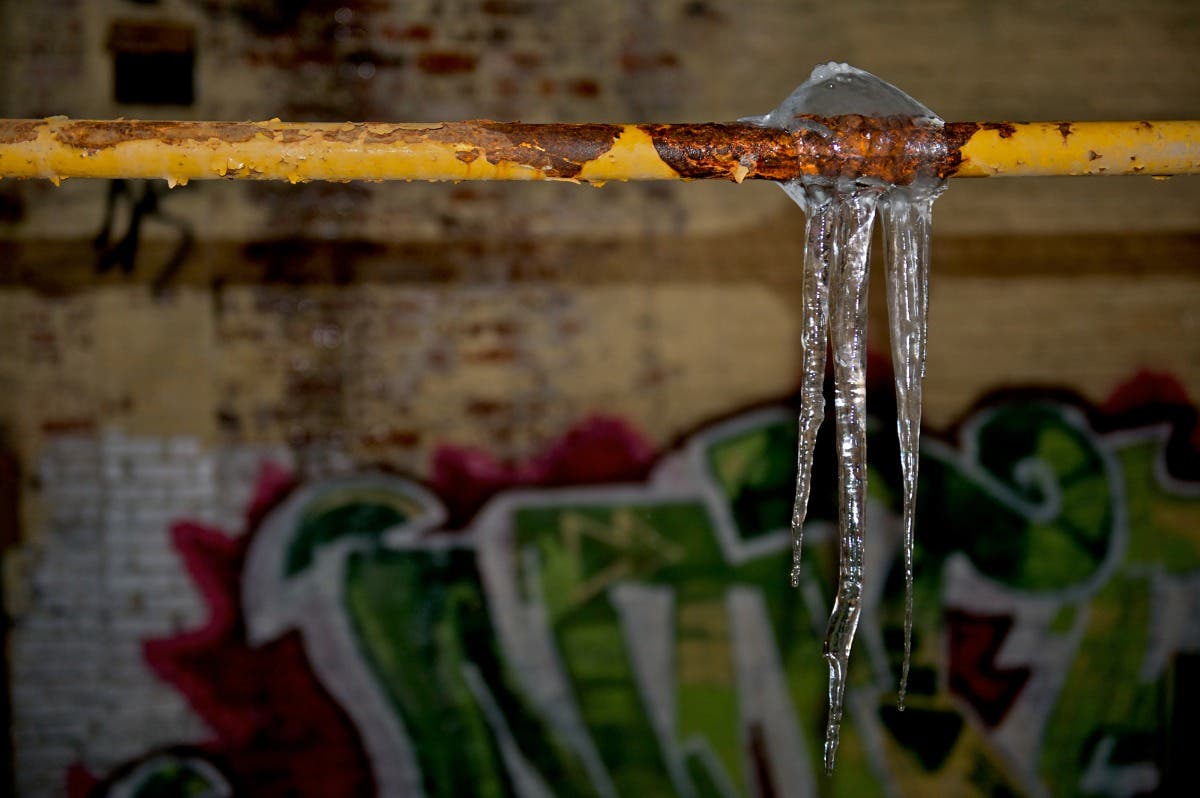
Prevent Your Chicago Pipes From Bursting There is no homeowner that wants to deal with the inconveniences that come with water damage. Pipes are more susceptible to bursting during winter. The basic explanation is that the water going through the pipes will be a lot colder compared to the summer months. This cold water will result in the contracting of the pipes thus leading to bursting because they’re unable to withstand the pressure. In most instances, the pipes in your home will start to freeze when the temperatures outside are below 20 degrees Fahrenheit. This will also depend on your geographical location. Early care and prevention for your pipes is crucial if you hope to avoid an extensive home restoration service thanks to flooding from your burst pipes in the winter. Duration It Takes For The Pipes to Burst In order to determine how long it will take for the pipes to burst, you’ll need to figure out the outside temperature and the duration it will stay the same. There is a likelihood that the pipes could burst if the temperatures outside remain below 20 degrees Fahrenheit for more than six consecutive hours. The time could be lower if you live in an area that doesn’t experience cold temperatures often because of the lack of proper water pipe insulation. There are some precautions you should heed if you’re looking to reduce the risks of burst pipes in Chicago. The rule of thumb is to always ensure that the plumbing system is operating at optimum efficiency. There are a couple of things you can do to prevent bursting water pipes and they include: Installing a Heat Tape Heat tape is a product that can be used to warm the water pipes during the winter season. Even though it’s something that you can do on your own, it’s recommended that you speak with a plumber or restoration company if you can in order to make sure that you follow the proper instructions for installation. Keep The Faucets Running When the temperatures have dropped to sub zero levels, it will be a good idea to keep the water faucets running, even if it is slow. This is done in order to prevent freezing of the lines. Seal Leaks A home that isn’t properly insulated could also increase the risks of frozen pipes. The leaks will allow cold air into your home and will in turn lead to freezing pipes. When doing the inspection for leaks, pay attention to areas around the dry vents, pipes, and electrical wiring. Distribute Warm Air To Different Areas of Your Home In most cases, the pipes that freeze will be located outside or near the windows. That’s why it’s recommended that you’re distributing the warm air even to the colder rooms in your home. A great place to start will be the basement in your home. Monitor Temperatures You should make sure that temperatures are monitored at all times so that they’re not dropping to below 32 degrees in places around the home where there are water lines. Call In A Restoration Expert Calling an expert plumber means that you don’t want to take chances. The plumber will put the measures in place to prevent the pipes from bursting because of the cold weather. Water Mold Fire Restoration of Chicago 3521 N. Wilton Ave Chicago, IL 60657 312-574-3814 https://watermoldfire.net/chicago-il/
Discussion
By posting you agree to the Terms and Privacy Policy.