Why Brands Need to be Wary of Fake Influencers
Classifieds
Georgetown DC
19 January, 2021
9:02 PM
Description
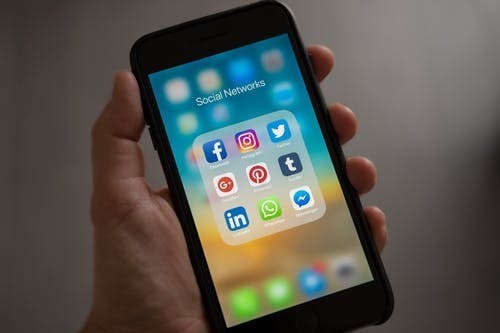
Of the wide spectrum of ways in which digital media has changed the world we live in; none are as potent as the phenomenon of the social media influencer. There are a few ways why the use of social influencers has become so popular. First and foremost is cost. Instead of paying for sponsored posts or advertisements, companies now have a much more targeted and affordable way to reach the specific market they’re looking to enter. The most important factor is reach. Influencer ads offer a much more effective ad in terms of its persuasive power. Influencers are called that for a reason: these are people who have built an image and an online following based on the perception of expertise, knowledge, and or experience in a certain sphere. But there are dangers to this form of advertising. When companies turn to online personalities, they are putting a tremendous amount of trust in the authenticity of that personality as a legitimate influencer. This can be a costly risk. The prevalence of so-called fake influencers has been known in the marketing world for a while now. As the name would suggest, fake influencers are social media personalities who maintain the veneer of an influencer. They may even have real expertise in a given field. But there is one major difference: their following is an illusion, consisting of fake accounts or bots. Getting swindled into advertising with a fake influencer can be catastrophic for a brand. First off is the wasted marketing capital. In a 2019 study conducted by Cheq, a cybersecurity company focused on the digital media space, and University of Baltimore economist and professor Roberto Cavazos, fraud by fake influencers was projected to cost companies nearly $1.5 billion. These numbers translate to roughly fifteen percent of the total influencer ad market. But beyond wasted resources, having a product promoted by a fake influencer can be devastating for a brand name. This happens when cracks in a fake influencer’s persona begin to show. This is no longer a theoretical scenario. For at least the past two years, social media platforms have been experiencing a huge rise in the spread of fake accounts. Facebook alone reported over two billion accounts were removed in just the first few months of 2019--a stark increase from the previous year. On Instagram, the platform of choice for many influencers, the situation is even worse. Nearly two percent of all influencer engagement on the site was assessed as fake in early 2019. Even following initial steps by the company to reign in on fake accounts, false engagement began to rise again in 2020 as fake influencers became adept at circumventing detection methods. For instance, Esther ‘Coco’ Berg, an Instagram influencer who spends her time between New York and Miami and collaborates with several brands like De-Vesi, has likely been inflating her followership. An open-source analysis conducted of her shared account with her husband, @estherandsasha, suggests that 50-60% of her followers could be fake. The research indicates that her following includes a large number of Russian accounts, which is usually typical of a bot network. Indeed, the influencer has some questionable followers, accounts with zero posts, no profile picture, and with around 100 followers each. This should be particularly alarming to brands as it indicates that she is promoting their products to bots, minimizing the reach to real followers and potential clients. Additionally, audience engagement is particularly low. The comments on Berg’s posts do not match that of her follower count, and the analysis showed that 15.8% were found to be suspicious. This is a red flag and could only mean one thing, fake followers. It appears that Berg is misleading her business partners and sponsors for profit, and brands that want to work with her should be aware that her reach isn’t as wide as she claims. Other high profile social media personalities have been identified as fake influencers. Dr. Eric Kaplan, famed motivational speaker and Twitter personality was identified as making no less than eight purchases of fake followers from a firm that specializes in social media image boosting. To sum up, the advent of real-world influence being enabled by fraudulent personalities is very real--and very impactful. These cases must act as a warning for companies looking to ride the influencer wave into their target market.
Discussion
By posting you agree to the Terms and Privacy Policy.