Flat Tires Are a Thing of the Past: Discover the Latest Innovations in Tire Technology
Classifieds
Atlanta GA
27 May, 2023
9:24 AM
Description
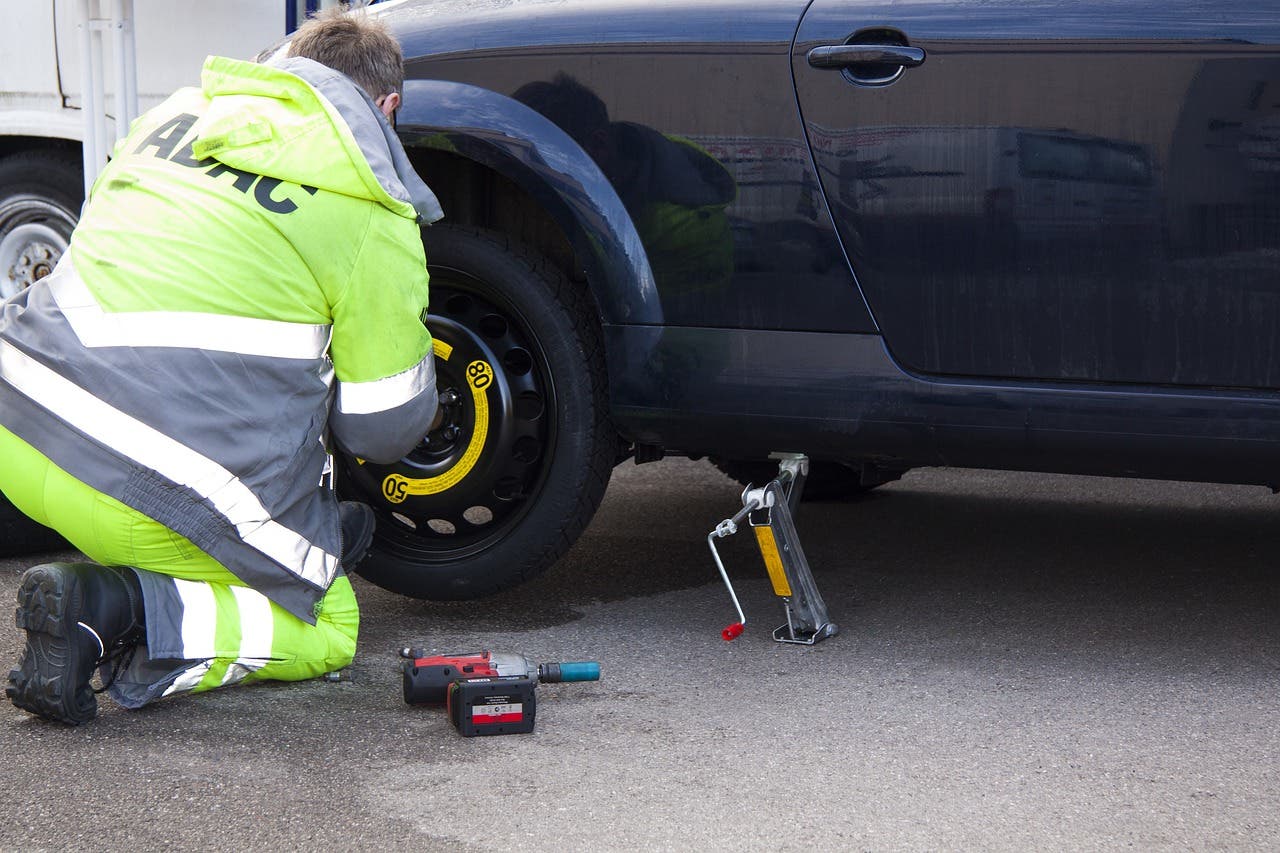
For many years, flat tires have been an unavoidable difficulty for drivers. From the sight of a vehicle struggling on one wheel or needing roadside assistance to change its tire - these hazards are all too familiar. Thankfully, thanks to recent breakthroughs in tire technology, soon saying goodbye to flat tires may be within our reach. Recycled and Puncture-Free As the world moves closer to a sustainable living model, recycling old tires quickly becomes an ideal solution. An innovative new technique has been developed that turns these disposables into valuable items! Not only does this help reduce waste, but it also serves as a renewable source for tire production. The method involves cutting the tires into smaller parts and distinguishing between rubber, steel, and textiles - all of which can be reused in various ways, such as creating brand-new tires or other products. While their cost may initially seem high compared to conventional choices, the long life expectancy more than offsets the expense - making them an excellent investment for your vehicle's future. The Evolution of Tire Technology Tire technology drastically advanced, enabling us to bid farewell to flat tires according to tire servicing company Point S. Here are some of the revolutionary developments that have pushed tire advancements forward: Vulcanization Process: In 1839, Charles Goodyear revolutionized the rubber industry with his invention of vulcanization - a process involving heating rubber and sulfur. This method made rubber products much more durable, thus increasing their resistance to everyday wear and tear damage. Pneumatic Inner Tube: In 1888, John Boyd Dunlop revolutionized the bike tire industry by inventing the pneumatic inner tube. His creation made cycling much more comfortable and less susceptible to punctures. Mountable Rim: Invented in 1891, the mountable rim made changing tires more straightforward and secure, significantly decreasing any possible harm to the tire. Radial Tires: In the 1940s, Michelin revolutionized tire technology with their groundbreaking radial tires. Radial tires feature reinforcement plies oriented at a right angle to travel direction and provide superior handling, longer tread-life, plus improved fuel efficiency compared to other tires available during that time. The Rise of Run-Flat Tires Dealing with a flat tire can be something short of an aggravation, especially if you need more tools or spare to get yourself back on the road. Furthermore, repairing these tires can be tricky since not all repair shops have the necessary tools and equipment. The Emergence of Airless Tires For years, motorists have been troubled by the nuisance of flat tires. Fortunately, however, with airless or non-pneumatic tires, as they are sometimes called, this annoyance may soon become a distant memory. Airless products do not require any form of gas pressure and can provide an effortless solution for drivers everywhere. Not only are airless tires environmentally conscious, but they require minimal upkeep in comparison to traditional tires. This translates into fewer tire changes and decreased waste released into the environment. Moreover, with retreading capabilities, some airless models can be reused multiple times before needing replacement - making them an even more sustainable choice. The Future of Tire Innovation Tire punctures may soon be a thing of the past as airless tire technology is rapidly emerging. Michelin and General Motors, exceptional frontrunners in this field, have jointly forged ahead in creating a system that could become an innovative airless tire-and-wheel structure for tomorrow's modern vehicles. With these resilient airless tires, drivers can rest assured that they will no longer have to worry about getting a flat tire while driving. This is made possible with a unique material that is strong and supple - allowing it to bend and contort, not to be affected by shocks or obstacles from the road, confirms Automester. Conclusion For decades, drivers have had to deal with the dreaded flat tire. Fortunately, thanks to advances in tire technology like run-flat tires, reinforced treads that last longer, and new tire pressure monitoring systems on vehicles - getting a flat is becoming less of an issue for motorists. Advances in modern tire technology have certainly decreased the risk of experiencing a flat tire, yet it is still essential for drivers to stay on top of their tires' pressure and tread depth. Doing so will guarantee that everyone stays safe when cruising down the road. Thankfully, due to the improvements in tire technology and drivers prioritizing maintenance and safety, flat tires are becoming a thing of the past. As we step into the future, let us anticipate fewer incidents of flat tires on our roads.
Discussion
By posting you agree to the Terms and Privacy Policy.