Mayor Driscoll: We Should Not Build A Wall Around Salem
News
Salem MA
08 January, 2021
10:26 AM
Description
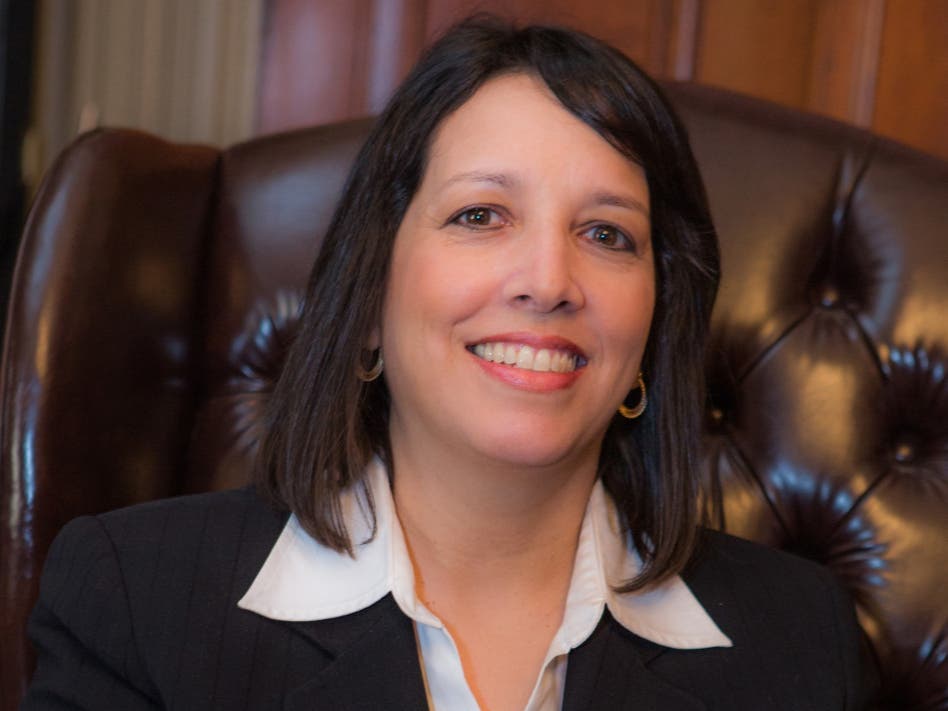
SALEM, MA — Salem Mayor Kim Driscoll made affordable housing, social justice and economic recovery from the effects of the coronavirus health crisis the focus of her State of the City address from Salem City Hall Monday night. Following a year in which the pandemic dominated most every aspect of city life, Driscoll cited the pending vaccinations of first responders as one of the first major steps toward health recovery, while outlining some plans to help small and minority-owned businesses struggling under the ongoing coronavirus-related restrictions. She also talked at length about housing initiatives that she said will make it easier both for those to move into Salem and for residents who want to relocate within the city. "The (housing) crisis is real," she said. "It's happening now and it's multi-layered. When rents and prices rise, values rise. And, as values rise, so does the burden on existing homeowners. Nobody wants their property to drop in value, but nobody likes it when increasing value causes tax assessments, too. I get that. "But let's be clear about this: we can't have it both ways. We can't say we want to bring down the cost of housing for Salem residents, but then block policies to require or incentivize affordable housing. We can't claim we want to reduce the tax burden on Salem taxpayers, but oppose reasonable opportunities for growth, which shifts that burden from those very taxpayers." Driscoll said she will use provisions in the recently passed state Housing Choice Bill to re-file her Accessory Dwelling Unit ordinance "in hopes of garnering (City) Council support for smaller, more affordable dwellings that can exist within our existing housing infrastructure." She said she also plans to work with the Affordable Housing Trust Fund Board to examine a Community Land Trust model "in which existing housing can be acquired, made available in shorter-term and at more affordable rents for those in need, and preserved permanently as affordable units for the community." She said that is a quicker way to get local families into units they can afford than some other city initiatives examined in recent years. "We don't have years and years to wait to solve this problem — as this pandemic has plainly illustrated," she said. "We could build a wall around Salem and not let anyone else in — make it impossible to build anything new. But that's not the kind of community we've ever been." Did you find this article useful? Invite a friend to subscribe to Patch. She called 2020 a year of "challenge, hardship and heartbreak" with coronavirus causing 61 deaths in the city and 5,000 residents to lose their jobs. She added that more than 70 percent of those who lost jobs have since regained employment. But she said last week, for the first time, the number of new vaccinations outpaced the number of new COVID-19 cases. She said 900 residents have been vaccinated with that number set to grow rapidly next week when vaccinations start for first responders and more municipal medical personnel. "We were willing to make the hard calls — based on evidence — when it came to deciding when and how quickly to re-open or temporarily close down certain aspects of our local economy," she said. "And while we always — always — prioritized public health over public wealth, our economic recovery and support efforts have been so strong and consistent that many other cities and towns modeled their own similar work on what we have done here in Salem." Beyond the business and lifestyle impact for most residents, Driscoll said the pandemic "pulled the curtain back on what work we still need to do to make Salem a safe and welcoming city for everyone." She said in the upcoming weeks the city will launch a minority-owned business procurement policy for city contracts and purchasing and will look to appoint and hire a more diverse city workforce. She added the city will continue to consult the Race Equity Task Force to proactively undo systemic racism as much as possible in public education, public safety and public health. "The resolution of those deep-seated inequities requires a collaborative approach," she said. "This cannot be the work of municipal government alone, but rather requires the engagement, willingness and tenacity of our entire community. "I know we can make strides in this effort if we work together."
Discussion
By posting you agree to the Terms and Privacy Policy.